

Art for world peace
Maude Muller started the program with the help of a few other members of her local Women’s International League for Peace and Freedom (WILPF) chapter.
She attended a UNESCO conference as a representative for WILPF and was inspired by a speaker’s suggestion that artists of the world should exchange their work to facilitate international peace and understanding.
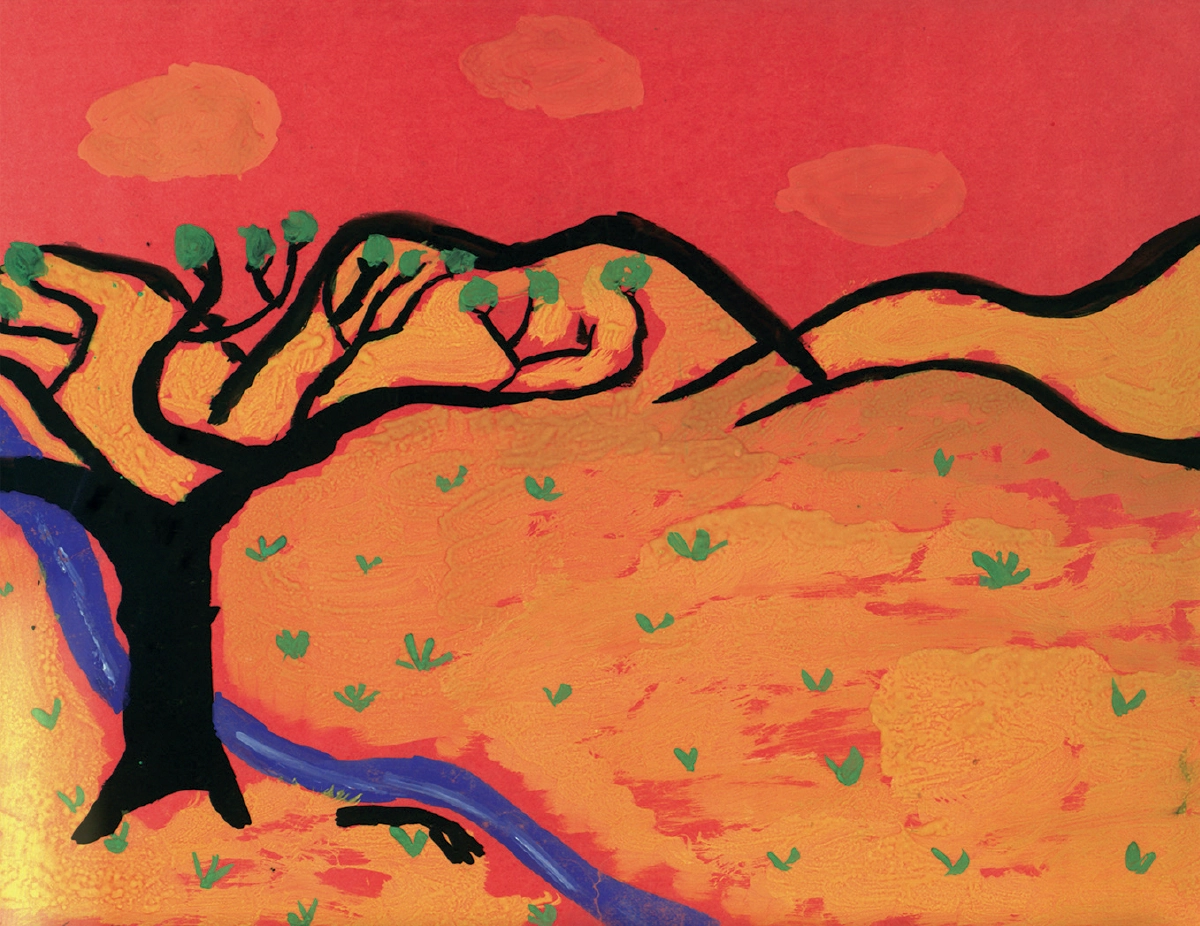
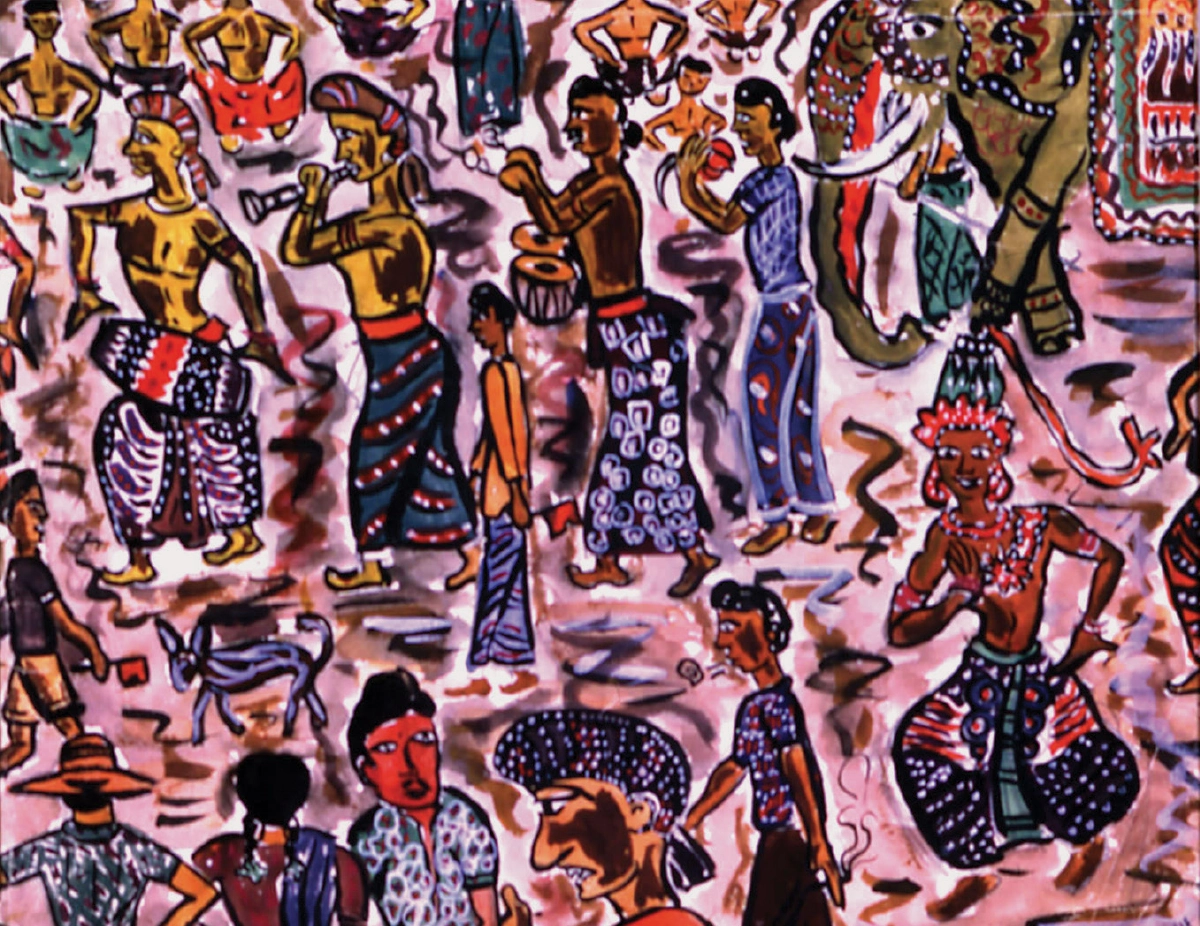
Art for World Friendship, which Muller ran out of her home, was the first organization to facilitate exchanges of children’s art across the globe. The organization partnered with schools across the world to facilitate the art exchanges.
In the first year alone, 1,000 pieces of art from foreign countries were exchanged with students in the Philadelphia area. At the height of the project, 1955-1960, more than 50,000 pictures were passing through AWF’s Media headquarters every year.
In 1968, Muller became too ill to keep the program running with her one-day-a-week paid secretary and handful of volunteers. Perhaps also in part because other organizations, like UNICEF, had started their own international children’s art exchanges, Muller dissolved the project and donated all of the art and much of her correspondence and records to Swarthmore’s Peace Collection.
“Maude Muller thought of children as natural ambassadors for global goodwill and used their art in exchanges between nearly 90 nations,” says recently retired Swarthmore College Peace Collection Archivist Anne M. Yoder.
“The drawings and paintings donated to the Peace Collection from the AWF can be enjoyed for this quality, and for their charm, but they also provide glimpses into ways of life, customs of different countries, threats from war, and longings for peace. Often children’s perspectives are ignored when telling the stories of history; this artwork helps to fill in the blanks and provide a broader perspective.”