


Public Service in a New Way
N JULY 11, 2025, Wren Elhai ’08 found himself out of a job.
Along with more than 1,300 other State Department employees, Elhai was summarily dismissed in a Friday purge that made national headlines.
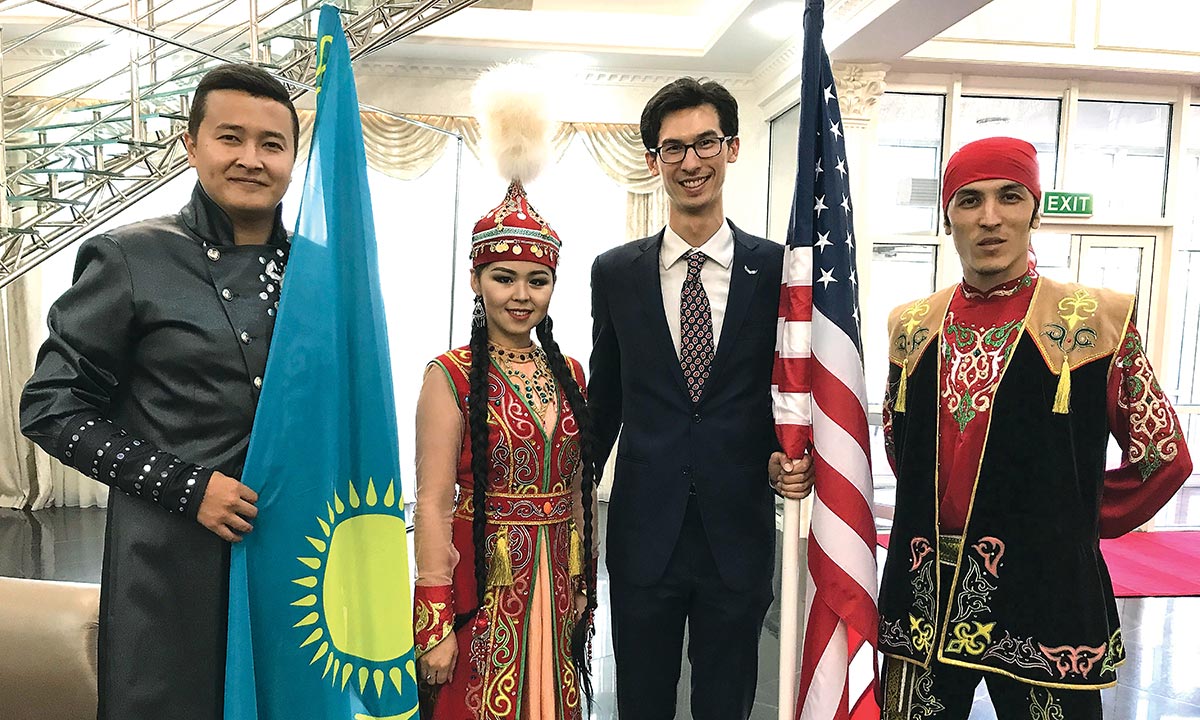
It was a shock and disappointment to Elhai, as he was preparing to take a position as the public affairs officer in Senegal, which would have been his most senior post to date. Elhai had worked in the Foreign Service at the State Department since shortly after graduating from Swarthmore with a degree in political science and Russian studies.
Serving the nation, he says, was a job he truly loved.
Elhai is now looking to channel his devotion to public service in a new way, meditating on how he might put his talents best to work in a fraught moment in national politics.
One of the most important experiences Elhai had at Swarthmore — and one that helped him decide on his career course of service — was helping to create and run the War News Radio show during the height of the war in Iraq in 2005, he says.
“We’d talk to them about how they were, what was changing, and developments that might not seem especially newsworthy but told a story about what it was like to live through the conflict,” Elhai says.
“They were stories told by students, engineers, stockbrokers, and people just living their ordinary lives.”
David Gelber ’63, H’17, a former member of the Board of Managers and award-winning 60 Minutes producer, came up with the War News Radio idea based on work he had seen during the Vietnam War, says Elhai. The work Elhai and his colleagues did for War News Radio was a crucible for civic engagement and international affairs that led Elhai to the State Department, where he began as a Foreign Service officer. While working for the State Department, Elhai earned a master’s degree in international policy, concentrating in cyber policy and security at Stanford University, and he worked to improve the State Department’s cyber and digital policy bureau.

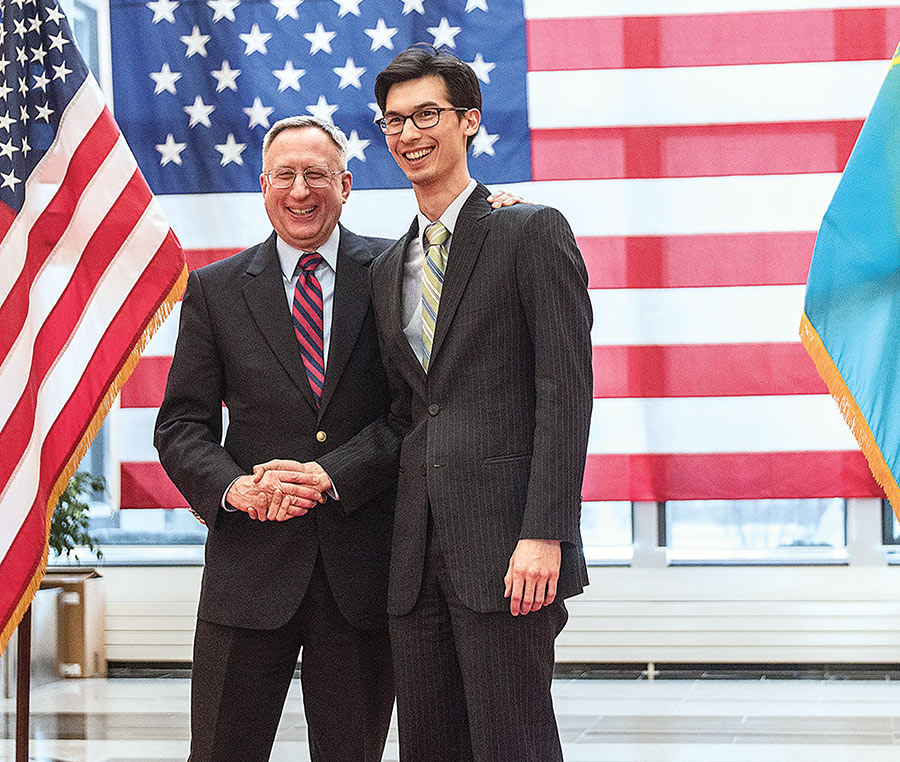
A strong believer in civic engagement, Elhai is now working on projects that seek to model how democracy in the U.S. can survive and thrive in a world of increasingly powerful AI.
“I would like to find ways to help people have more productive conversations around public questions,” he says, “including by using the capability AI could give us to listen to and synthesize the perspectives of large numbers of citizens.”