

Common Good
A New Chapter
“Serving as Swarthmore’s 15th president has been one of the great privileges of my life,” says Smith.
“Every day, I am reminded that, in addition to its academic excellence, Swarthmore is defined by the students whose curiosity and conviction inspire us all; the faculty whose teaching and scholarship expand the boundaries of knowledge; by the staff members whose dedication sustains our shared work; and by alumni, families, and friends whose stories are living testaments to the power of a Swarthmore education, and whose loyalty and generosity ensure that this community continues to thrive.”
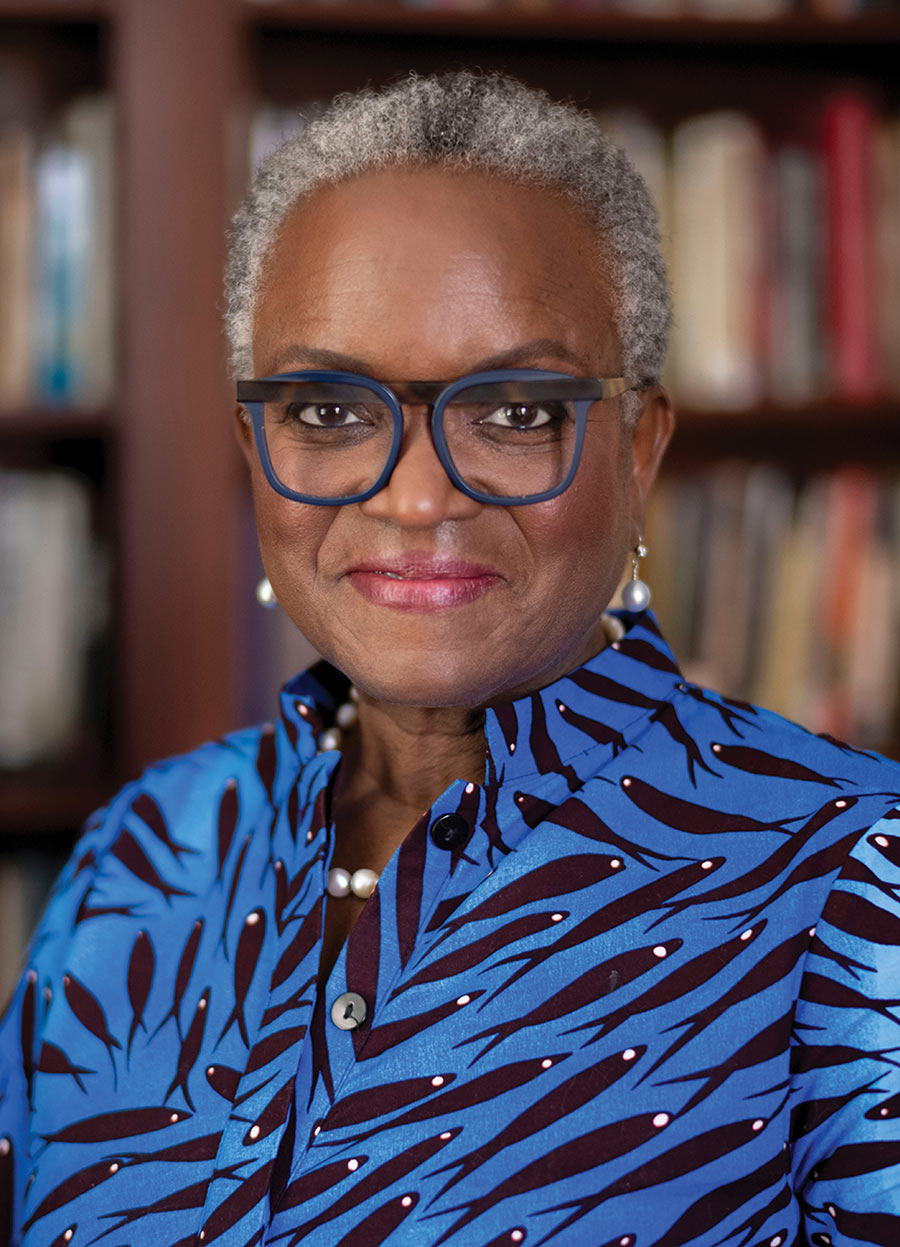
A graduate of Bates College in Lewiston, Maine, Smith holds a master’s degree and a Ph.D. from the University of Virginia.
A search committee comprising students, faculty, staff, and members of the Board is leading a process to identify Smith’s successor. The committee is co-chaired by two managers: Cindi Leive ’88 and incoming Board Chair Gus Schwed ’84.
Swarthmore Celebrates Ongoing Commitment to Access and Affordability
“The Swarthmore Tuition Guarantee is a powerful demonstration of our belief that a student’s intellectual curiosity, creativity, and talent should decide what’s possible, not whether they can pay for tuition,” says President Valerie Smith. “The program builds on our already robust commitment to access and affordability, and we hope it communicates to families that their financial circumstances are not a barrier to a transformational liberal arts education at Swarthmore.”
The program advances the College’s mission to provide students a transformative liberal arts education regardless of their socioeconomic backgrounds.
Swarthmore has practiced need-blind admissions for domestic students since the 1950s, meaning that a student’s ability to pay for college is not a factor in admissions decisions. The College provides aid to meet 100% of the full determined need for all students, including international students, up to the full cost of attendance, which includes tuition, housing, food, class materials, and other expenses.
In addition, the College’s aid decisions are loan-free, meaning that students do not have to repay the College. Swarthmore’s financial aid budget for the upcoming academic year is more than $71 million, with an average aid decision of more than $75,000 per student, per year.
“One of our core beliefs is that we all benefit from living and learning in a community filled with diverse perspectives and experiences. It’s central to the College’s mission,” says Swarthmore’s Vice President and Dean of Admissions Jim Bock ’90. “We’ve worked hard to expand access to a Swarthmore education over the past 12 years — including by significantly increasing the number of Pell Grant-eligible, first-generation, and low-income students on campus — and we’re excited to build on this long-standing commitment to affordability with the Swarthmore Tuition Guarantee.
“We recognize the complexities families face when navigating the costs of college, and one of our goals for the Swarthmore Tuition Guarantee is simplifying our message on affordability,” says Swarthmore’s Director of Financial Aid Varo Duffins. “We also want to demonstrate to families that — even if you’re earning $200,000, $250,000, $300,000 per year and, in some cases, more — you may qualify for financial aid at Swarthmore.”
Swarthmore funds its financial aid program, along with many other aspects of the residential educational experience, through its endowment, which supports nearly 60% of the College’s operating budget each year. Due to recent federal legislation that changed how college and university endowments are taxed, Swarthmore is able to direct more of its endowment to support the Swarthmore Tuition Guarantee.
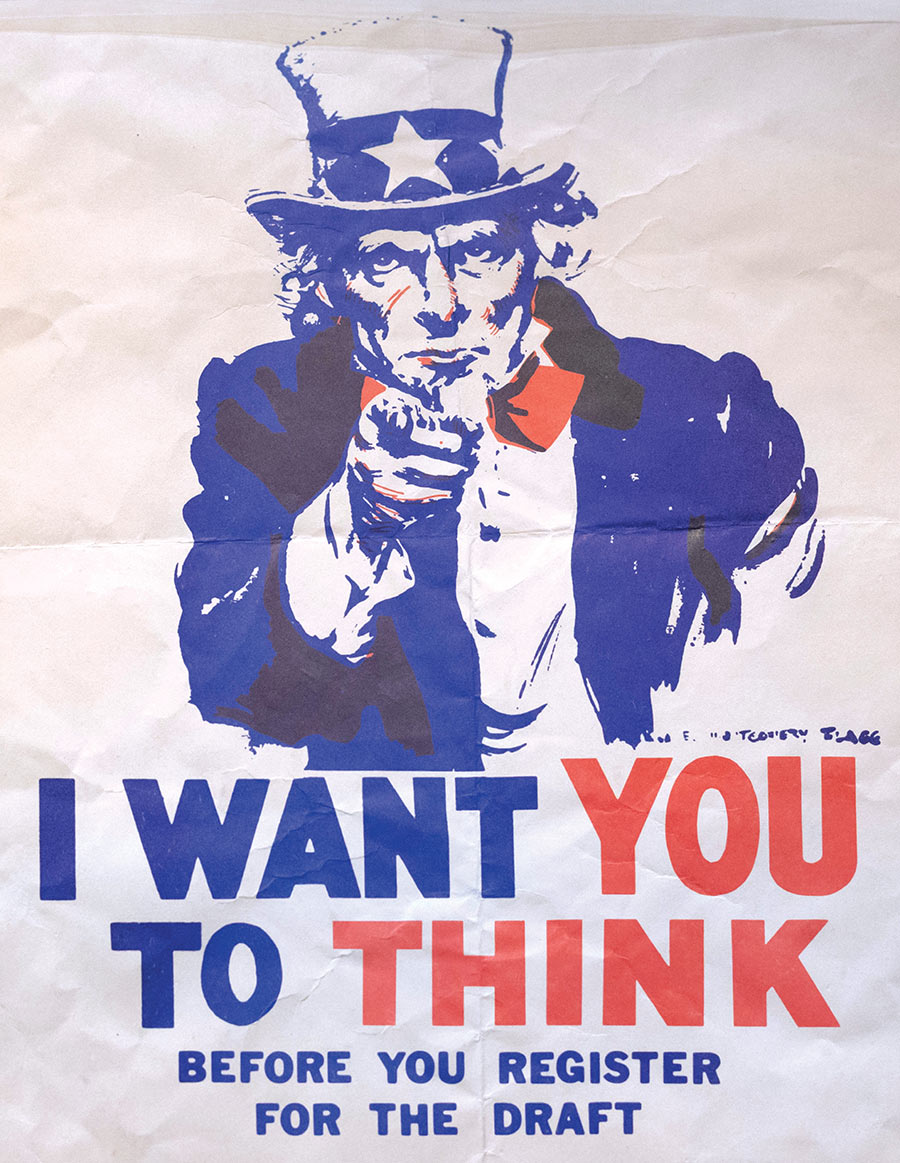
American Communities
This is the question asked and provisionally answered by a timely new exhibition at McCabe Library amid the America 250 celebrations happening across the country and on campus.
The exhibition, American Communities 1776-2026, is on display through Sept. 3, and is curated by Caitlin Goodman, an archivist at the Friends Historical Library, and Laura Melbourne, public service archivist of the Peace Collection.
Because America is typically defined broadly, the histories of important groups and individuals can be overlooked, Goodman says.
“There are a lot of institutions that are rightfully celebrating their copies of the Declaration of Independence, or maybe displaying early printings of the U.S. Constitution,” she says. “But what kind of stories do Americans tell about themselves and those who they are in community with? The variety of stories in these small communities can add to our national identity, whether they come from families, neighborhoods, or affinity groups.”
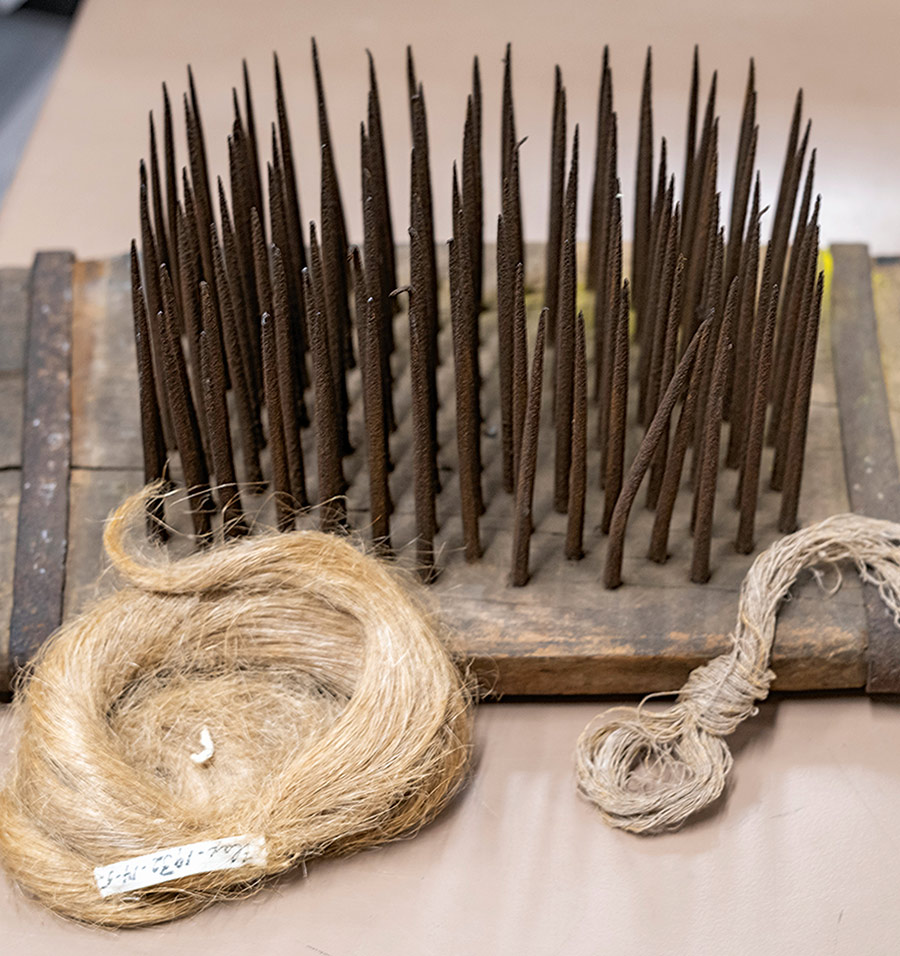
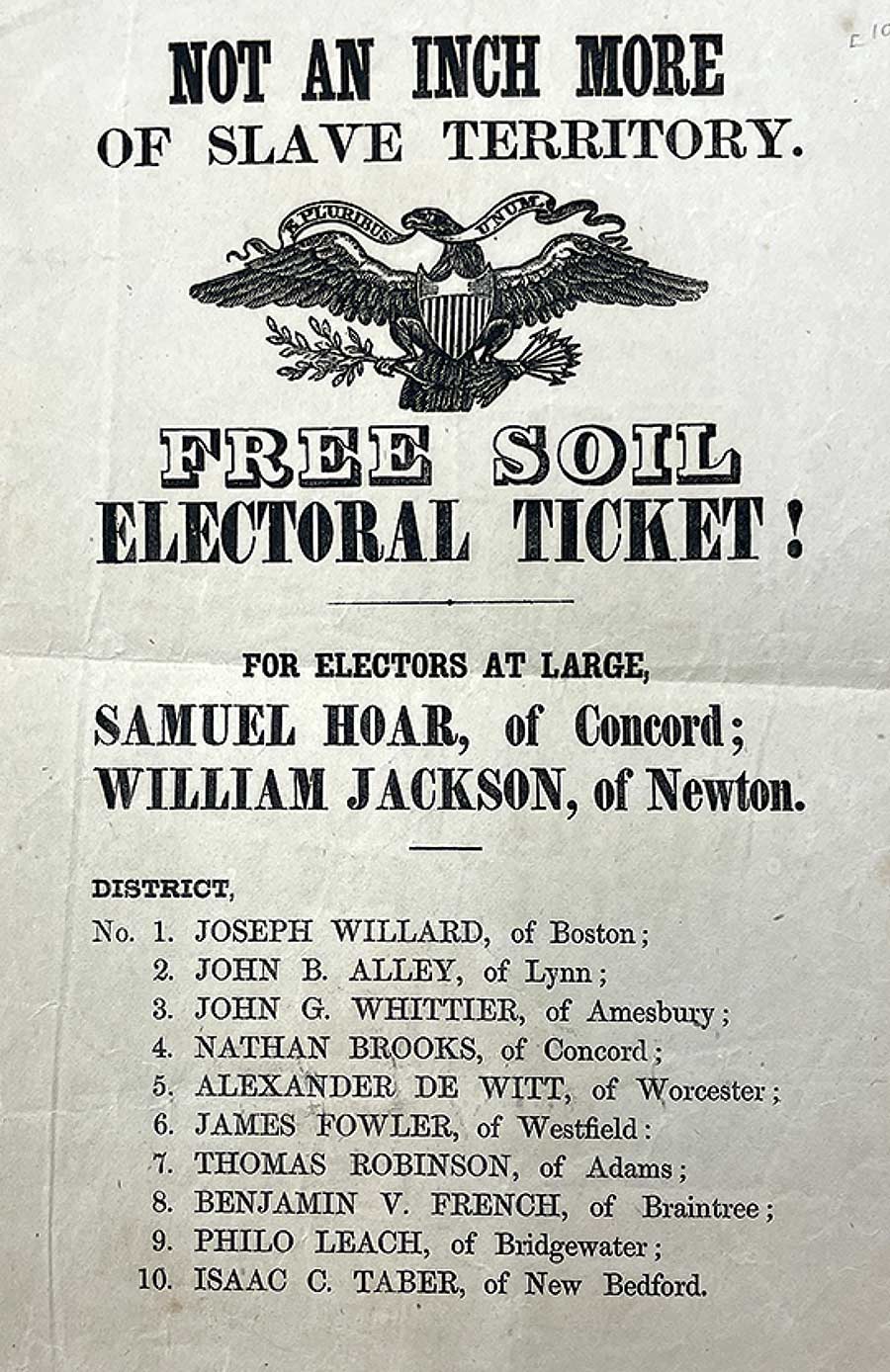
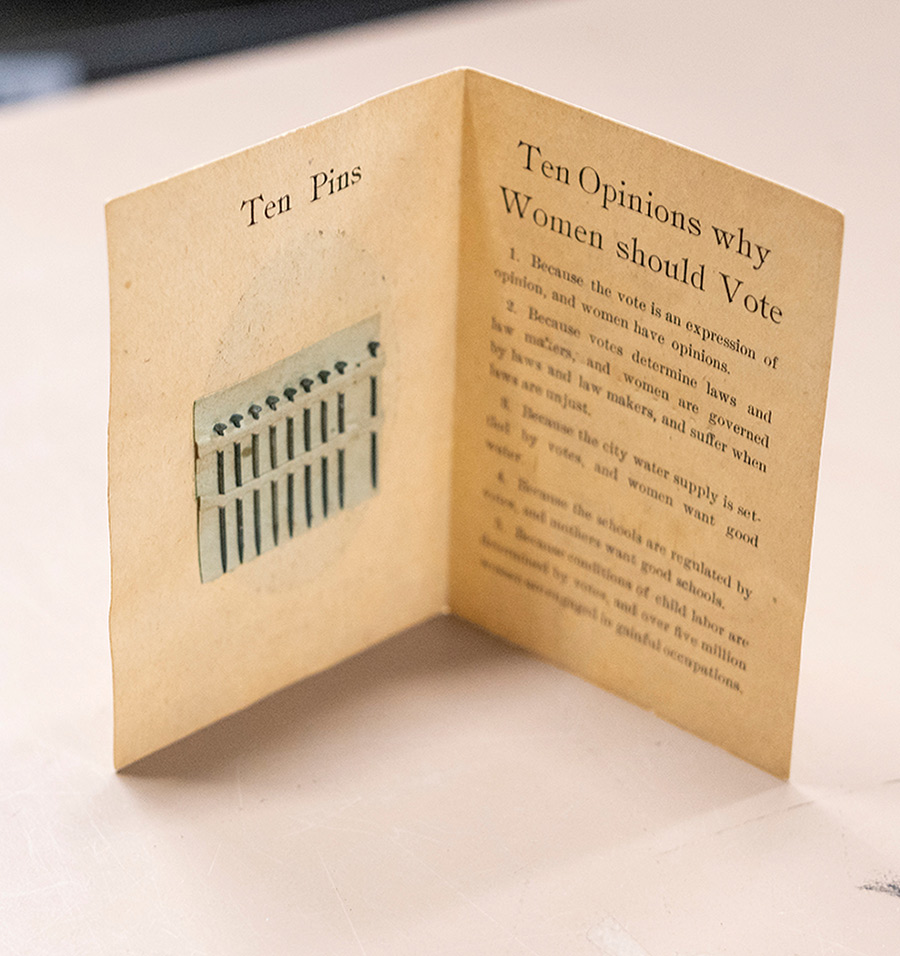
All the artifacts in the exhibition are drawn from Swarthmore’s abundant historical collections, including the Peace Collection and the Friends Historical Library. “One of the values of special collections, in particular at Swarthmore, is that we are really empowering students to see and build primary source literacy skills that allow them to engage with materials of a huge variety and rarity from different centuries, from different regions, in different formats,” says Goodman. “It encourages them to see themselves in those stories.”
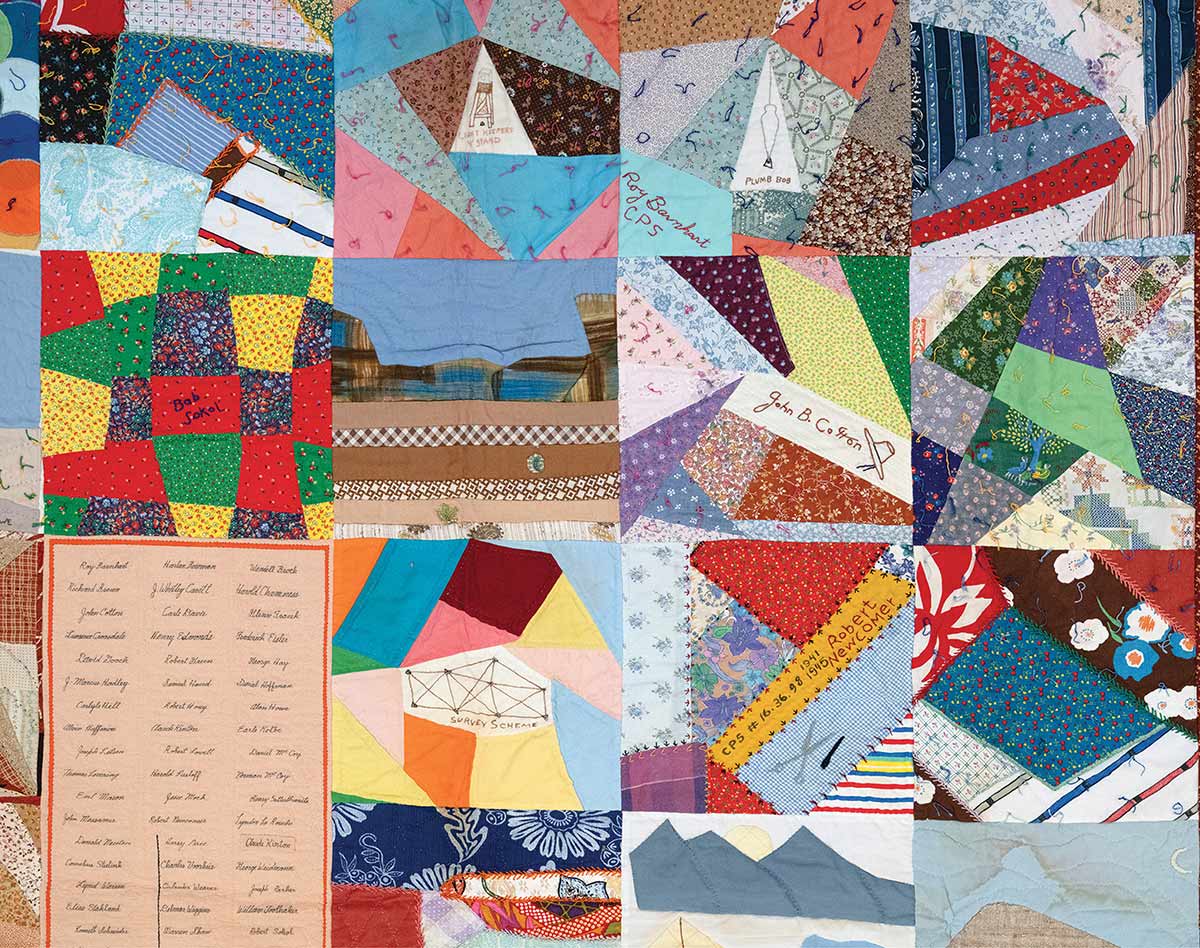
Among items on display are a colorful memorial quilt made by the families of World War II conscientious objectors; an 1849 poster of the electoral ticket of the Free Soil Party, an abolitionist group; and flax hackle and flax. Spun flax thread represents a long history of use as a fiber crop and abolitionists often refused to wear cotton because of the cotton industry’s connection to enslaved labor. Melbourne emphasizes the power the artifacts from the past have to connect with the present, and the future.
“We’re working with primary sources and these materials that were made at that moment in history. But history is happening all around us all the time,” Melbourne says. “Our moments will later potentially be captured in archives and other collections. One of the great joys and services that we can provide is to make these stories present through objects, and curate them in a way to get folks thinking about their own lives and this moment in time.”