



Swarthmore Bulletin Fall 2025


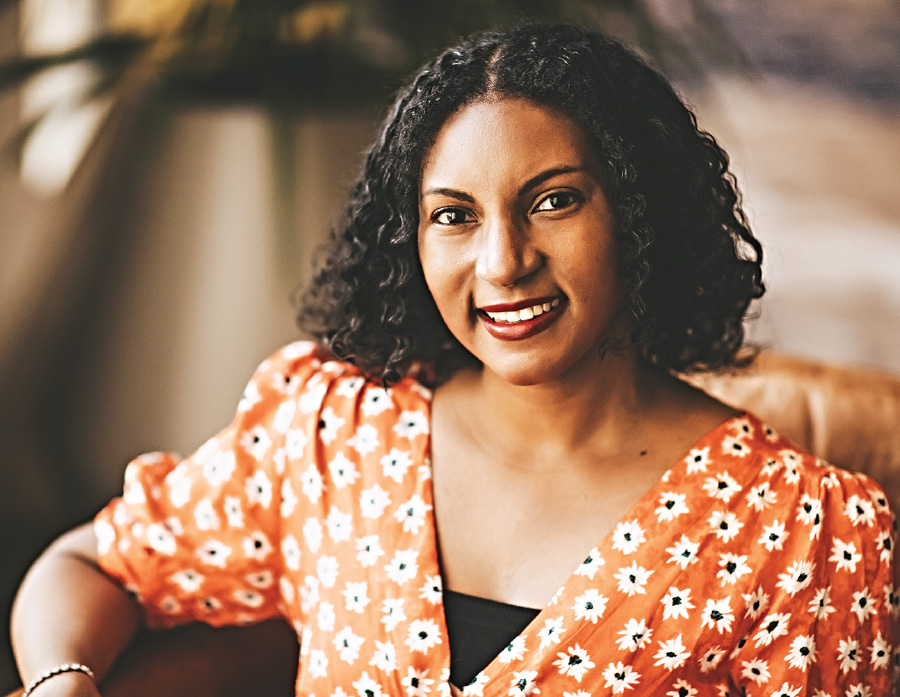
Petra Floyd ’12
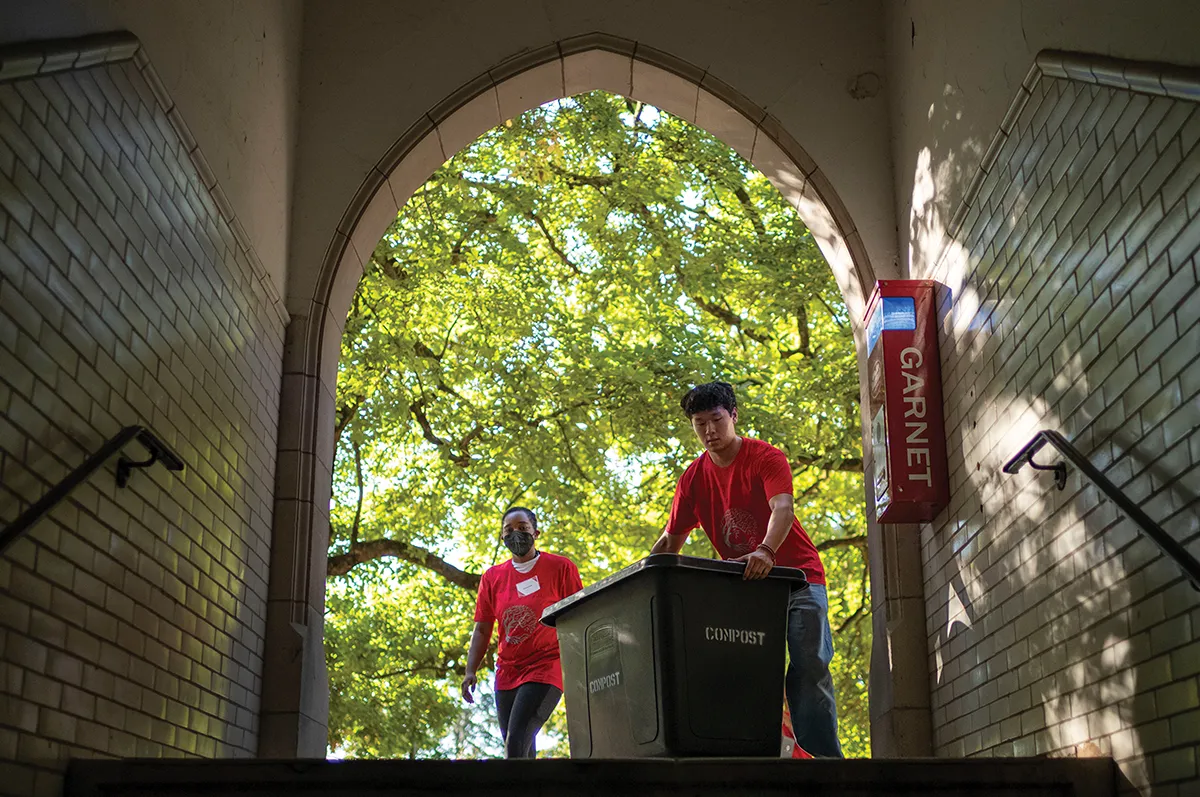
Moe Htet Kyaw ’23
World Building
campbell
to look at world building, we start with exploring long-existing and just-emerging research into AI technology. Ethics has been the domain of philosophers, but for Benjamin Kuipers ’70, the rise of AI has forced computer scientists to confront such questions, too. Kuipers, Emeritus Professor of Electrical Engineering and Computer Science at the University of Michigan, has been involved in AI research for more than 50 years (p.22). Nicholas Rhinehart ’12, an assistant professor at the University of Toronto, leads the Learning, Embodied Autonomy, and Forecasting lab. “We want robots to combine learning to forecast the future with reward learning, so they can plan ahead, do what people actually want, and get better with experience,” says Rhinehart (p.26).
In “A Lasting Legacy” (p.30), we celebrate a couple’s generosity and investment in the future as we learn what inspired Roy ’70 and Linda Shanker to make a $42 million commitment to the College and how they hope to inspire others to support Swarthmore’s future.
Continuing the theme of world building, we talk with Rosemarie Ewing-James ’80 (p.34), whose career in the foster care system helped abused and neglected children find homes full of love and support. All the things they need to become solid citizens, she says.
Learning how feeling trapped often leads world leaders into war is the research subject of Dominic Tierney, the Claude C. Smith ’14 Professor of Political Science. As war edges closer, he says, leaders often think they have no control (p.28).
Storytellers can help us not only escape the weight of the world, but explore the history of conflict within it. “Those stories have always been in our blood,” says Charley Parlapanides ’99, who has a new Netflix hit based on Greek mythology (p.36). “But the challenge is making them feel fresh.”
World building also demands vigilance. “Investigative reporting is deeply patriotic,” says Ted Gup, veteran journalist and author. As Lang Visiting Professor for Issues of Social Change at Swarthmore, he’s teaching a timely new course on investigative reporting (p.84).
We hope these stories — and those of all the devoted researcher, artist, teacher, gourd constructing, DJing, mosquito hunting, chess playing, lichen loving alumni building better worlds in this issue — draw you closer to your own vibrant Swarthmore.
swarthmore college bulletin
Andy Hirsch
Director of Content Strategy
Mark Anskis
Editor
Kate Campbell
Managing Editor
Ryan Dougherty
Editorial Specialist
Nia King
Class Notes Editor
Heidi Hormel
Designer
Phillip Stern ’84
Photographer
Laurence Kesterson
Administrative Coordinator
Lauren McAloon
Editor Emerita
Maralyn Orbison Gillespie ’49
Email: bulletin@swarthmore.edu
Telephone: 610-328-8533
We welcome letters on articles covered in the magazine. We reserve the right to edit letters for length, clarity, and style. Views expressed in this magazine do not necessarily reflect the opinions of the editors or the official views or policies of the College. Read the full letters policy at swarthmore.edu/bulletin.
Send letters and story ideas to
bulletin@swarthmore.edu
Send address changes to
records@swarthmore.edu
The Swarthmore College Bulletin (ISSN 0888-2126), of which this is volume CXXIII, number III, is published in fall, winter, and spring by Swarthmore College, 500 College Ave., Swarthmore, PA 19081-1390. Postage paid at Philadelphia, PA, and additional mailing offices. Permit No. 129. Postmaster: Send address changes to Alumni Records, 500 College Ave., Swarthmore, PA 19081-1390.
Printed with agri-based inks.
Please recycle after reading.
©2025 Swarthmore College.
Printed in USA.

On Our Radar
DEVELOP A GOOD HABIT
—FRANK MARTINEZ ’02, Milwaukee, Wis.
PROTESTING NEWS
—JESSICA HOWINGTON ’98, Louisville, Ky.

TB PREVENTION
—BARBARA GIBSON ’71, Edgecomb, Maine
An Open Book
—VAUGHN POLANKSY HARRISON ’72, El Granada, Calif.
THIS UNGAINLY THING?
—KENNETH I BOWMAN ’72, Altadena, Calif.
IN A FAR GRAVER TIME
—DEKE HUYLER ’58, Los Ojos, N.M.
PROTEST COVERAGE
—ALEX VOLIN AVELIN ’96, Philadelphia
let’s tango
As a child, my family and I were refugees twice, from Czechoslovakia and later from Cuba. I became a U.S. citizen during my years at Swarthmore.

studentwise: Charting New Waters
“I stepped onto the boat knowing very little about the collection techniques and procedures and had to jump right in,” Barron recalls. “It was incredible to watch the team work together to collect all of the samples. I was quickly reminded how fun science is, especially when you get to learn and work with such a great group of people.”
A biology major with minors in psychology and environmental studies, Barron spent the summer in the University of Washington’s Oceanography Department, working in the lab of Karen Chan, former assistant professor of biology at Swarthmore. Their research focused on the spatial and temporal distribution of crab larvae — zoea and megalops — in the Sound, an essential link in the marine food web.
Submit your publication for consideration: books@swarthmore.edu
HOT TYPE: New releases by Swarthmoreans
Life on Earth: Scientific and Religious Views
Trafford Publishing

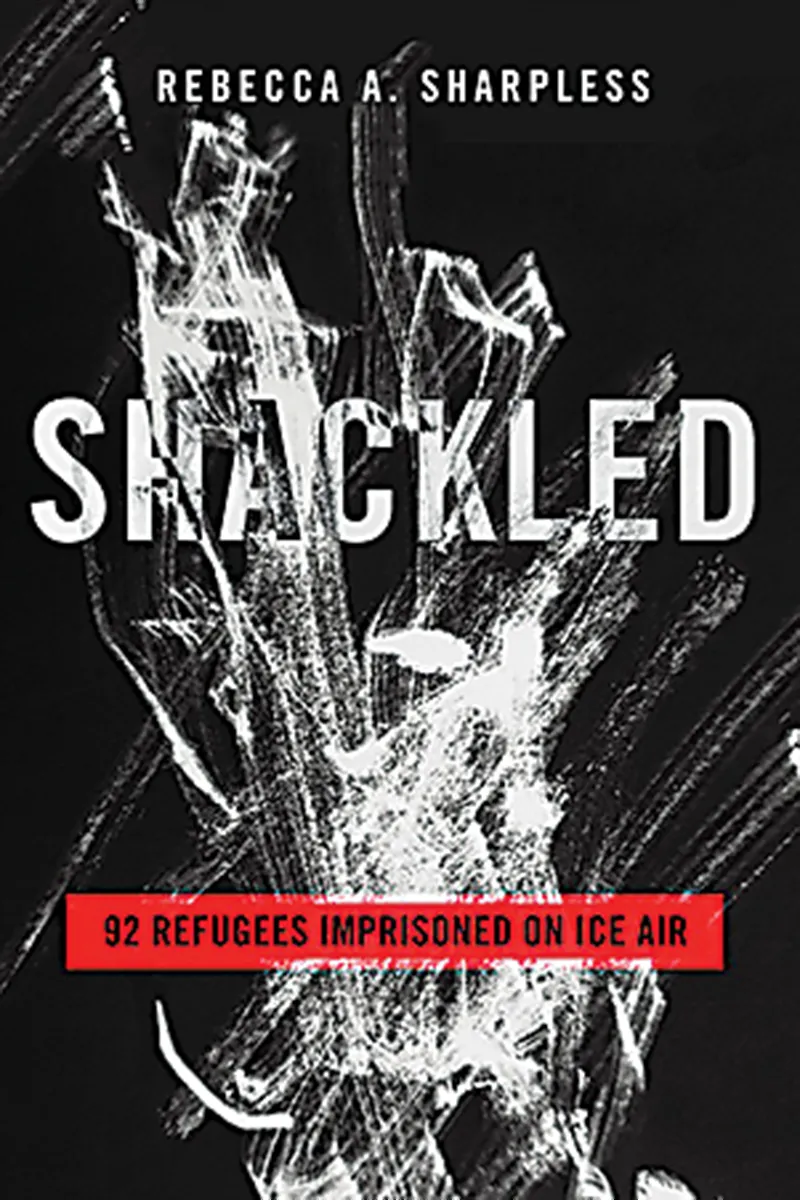
Shackled: 92 Refugees Imprisoned on ICE Air
University of California Press
Language as a Gateway
Loveless grew up speaking English and Portuguese at home, but “was Spanish-shy,” she says. “I didn’t really use it unless I was with my grandmother, because she didn’t speak a word of English.”
“I got to study Spanish literature and poetry, and we did an entire class on magical realism,” says Loveless.
She became enamored of the writing of Gabriel García Márquez, Federico García Lorca, and Ernesto “Che” Guevara.
sharing success and stories of swarthmore
common good
Getting Oriented
Spinning Wax
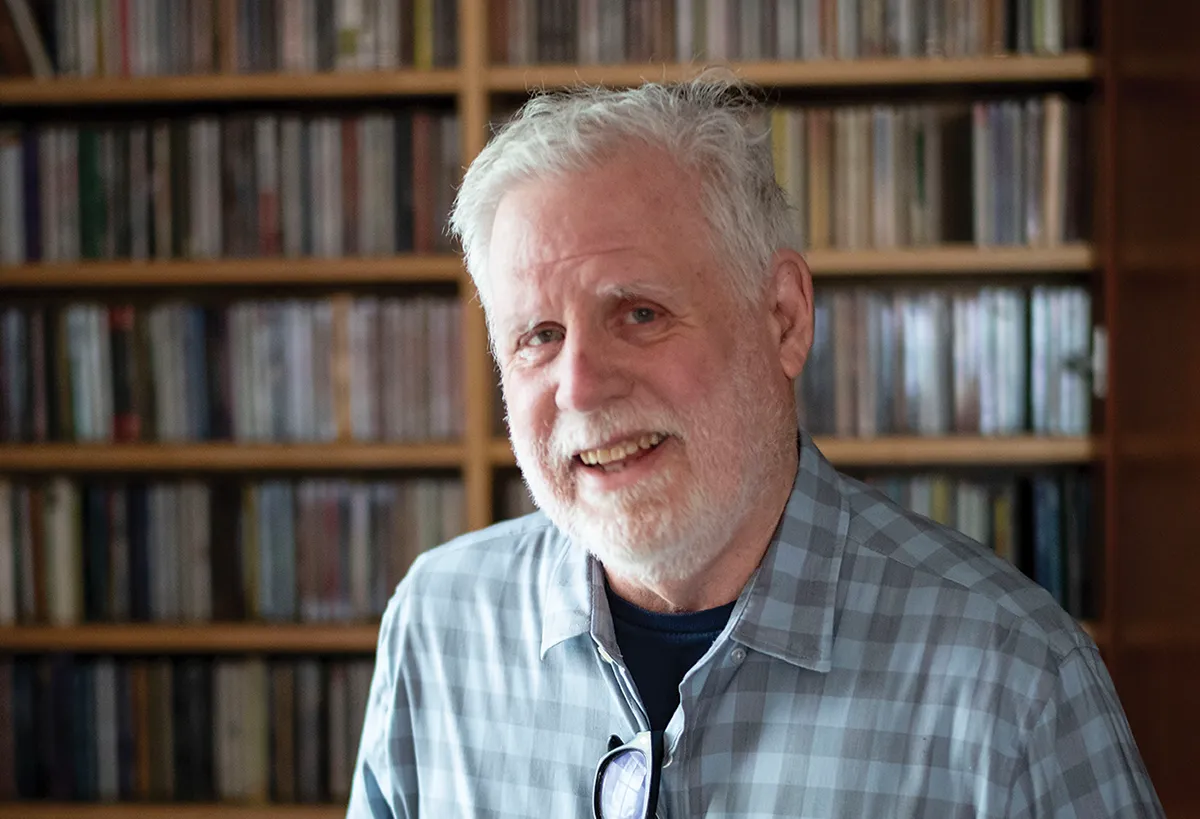
After graduation, the job became full time — and fame soon extended beyond Magill Walk. From the Inquirer: “His impact at that stage of his career can be measured in part by noting that in the ‘A Deejay Saved My Life’ chapter of Bruce Springsteen’s Born to Run memoir, the Boss is referring to Dye.” The DJ had heard the then-unknown Springsteen at a club, then played “Greetings from Asbury Park” on air.


Seeds and Sounds
“My father met the lead pastor in Liberia, and when my family immigrated to the U.S., my dad was like, ‘I got to go to Philadelphia, because that’s where this church is.’ ”
The congregation was a mix of Black Americans and African immigrants due to the lead pastor’s Christian missions in Africa, which he used as a recruiting tool.
A Newly Minted Math Teacher
“The constant refrain I heard from kids was: ‘I don’t know where I’m going to use this,’” says Kyaw. “I always ask ‘So what?’”
For a unit on congruence and transformation, his students compared Los Angeles-style salsa to the Cuban version.

A Focus on Trust
A Focus
on Trust

Benjamin Kuipers ’70 is exceptionally well qualified to address such questions. Emeritus Professor of Electrical Engineering and Computer Science at the University of Michigan, he has been involved in AI research for more than 50 years, and has lived through numerous AI booms and busts. Questions of ethics have never been too far from his mind since his time at Swarthmore.
What
Drives
War?
aging war, it might seem, is the strongman’s pastime. From Napoleon’s attempt to conquer Europe to Hitler’s blitzkrieg and Vladimir Putin’s invasion of Ukraine, we often think military conflict is triggered by leaders drunk on power.
But political scientist Dominic Tierney thinks we’ve got it backwards.
Oftentimes, the true driver of war, Tierney says, is not so much overconfidence as resignation, as leaders feel that events are slipping out of their control. The decision to wage war is often taken by fatalistic leaders who believe they have no alternative but to fight.
“We tend to think of leaders as being ‘the great men of history,’ bending it to their will,” says Tierney, the Claude C. Smith ’14 Professor of Political Science at Swarthmore. But as war edges closer, this is not how leaders themselves may see it. They feel trapped.
“In their minds, they often think they have no control,” he says. “The war is not their choice — even if they are the ones sending an army across the border.”
History is filled with examples. In 1914, Germany believed war was inevitable and blamed Russia, even as German troops marched on Belgium and France. In the lead-up to Pearl Harbor in 1941, Japanese leaders knew that defeating the United States was a long shot, but thought they could not avoid conflict.
Laurence Kesterson
Roy Shanker ’70 and his wife, Linda, in their California home in September.
A Lasting Legacy

“Supporting Swarthmore in this way is exciting,” Shanker says. “It’s a really satisfying, rewarding feeling to know that you’re creating a legacy that will benefit Swarthmore faculty and students far into the future.”
Fostering
Family Success
Fostering
Family Success
When Rosemarie Ewing-James ’80 appears on a video call for our interview, she is sitting in a nondescript office overlooking a busy highway — a surprising backdrop given that she retired last year.
“Oh, I still work here two days a week,” says Ewing-James, speaking from the grounds of Forestdale, a child welfare agency in New York City where, until 2024, she was an associate executive director. “I still help out.”
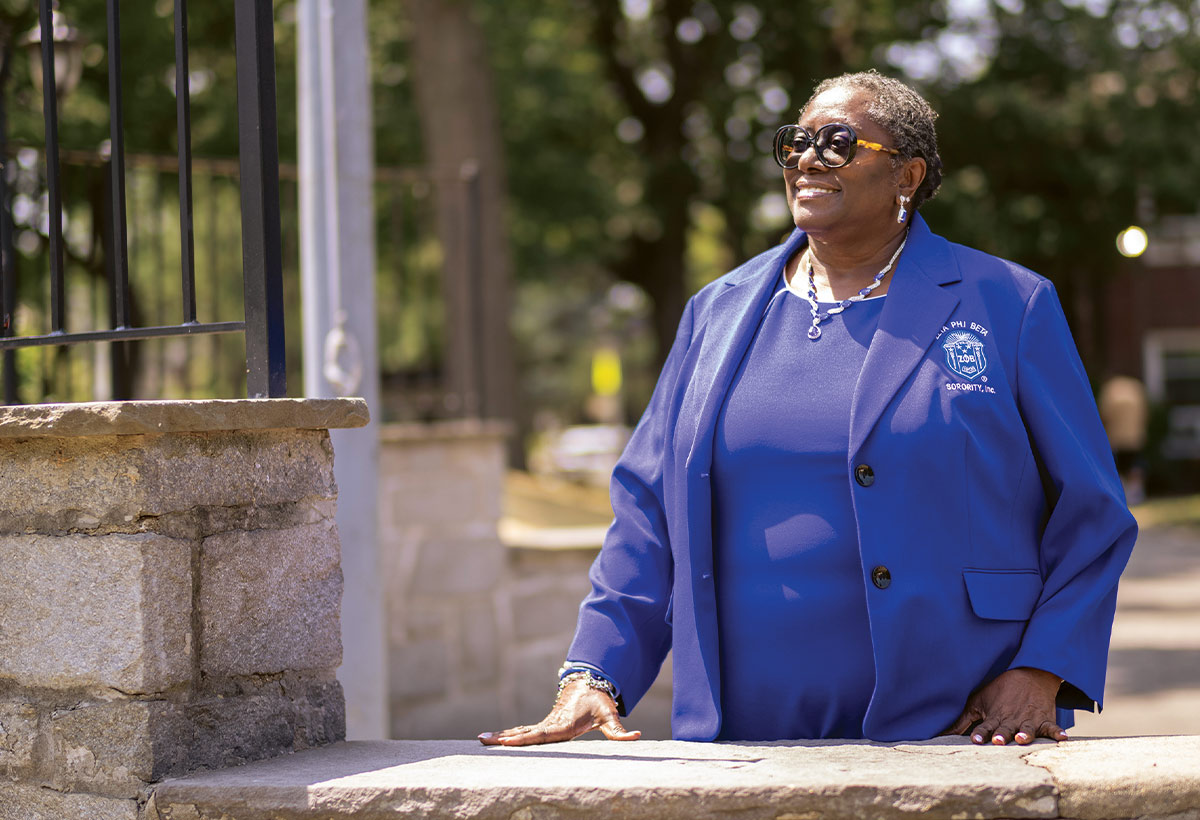
Laurence Kesterson
“Several individuals welcomed me into their midst and created an inclusive environment for me at Swarthmore,” says Rosemarie Ewing-James ’80. “Among them were, Wilma Lewis ’78, Linda Randall ’78, Freeman Palmer ’79, my roommate Mary Plough ’80 (and her family), and Jacqueline Brokaw ’80.”
“All the things they need to become solid citizens,” she says.
When Ewing-James joined Forestdale in 1996, only one or two of the agency’s foster children would go on to college each year. Nationwide, only 3-4% of fostered children get a four-year college degree.
The
Storytellers


The Storytellers

“Our family was the classic immigrant cliché. My parents worked hard to get us all educated, and I always felt I should do something practical that can make money. I thought I would go into business or Wall Street,” says Parlapanides. “But I always loved movies.”
Today, Parlapanides is the co-writer of Netflix’s Blood of Zeus, the smash-hit anime series with a fresh spin on ancient Greek mythology, now in its third season. But it took a while for Parlapanides to embrace his destiny as a storyteller.
At Swarthmore, he majored in economics. By his senior year, though, the pull of the movie business had become hard to resist. His parents, it turned out, were supportive. “They said, ‘Listen, you have one life. Go chase your dreams.’”
After graduation, Parlapanides moved back home and took up his old high school job at a fish market. His friends from college, he says, were interviewing at Goldman Sachs — but he was gutting cod. He used the money to pay for the bus ride to New York City, where he had secured an unpaid internship with a producer.
Labyrinths of Thought: Humanities in a Liberal Arts Classroom
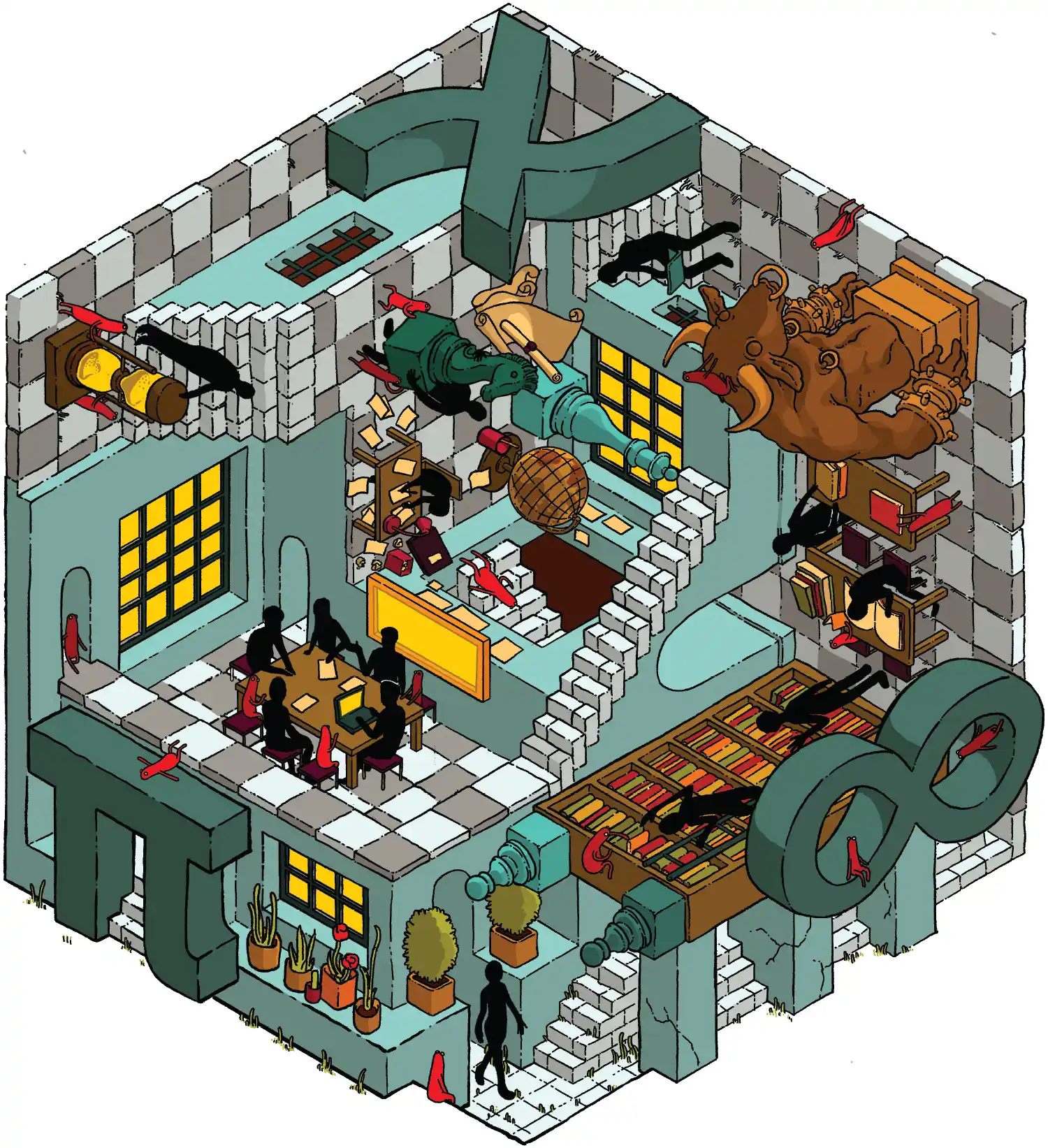
Labyrinths of Thought:
Humanities in a Liberal Arts Classroom
he sciences and the humanities have not enjoyed the merriest of relationships in the modern era, but it didn’t used to be that way. Aristotle’s lectures on poetics and the natural sciences defined thought on the disciplines for centuries. As recently as a couple hundred years ago, Johann Wolfgang von Goethe was emboldened to write on optics and color theory. Soon after that point, though, the accumulation of knowledge in the sciences made it a prohibitive endeavor for part-timers. In the other direction, the ambiguity that is often part and parcel of literature and the arts can be irksome for those studying hard sciences.
Enter Jorge Luis Borges. The Argentinian (1899-1986) was one of the most enigmatic writers of the 20th century. His stories — brief, compressed masterpieces of imagination and wonder — are full of riddles and paradoxes.
Borges is the ideal fiction writer to inspire fruitful conversations across disciplines, says Luciano Martínez, professor of Spanish, who recently concluded a three-year term as chair of the Arts and Humanities Division, and is a Fulbright U.S. Scholar in Taiwan for the 2025–26 academic year.
life in the fast lane
life in the fast lane
eter B. Meyer ’65 does not seem like the type of person who would be drawn to working the corner at a motorsports track: He grew up in Manhattan in a family that knew next to nothing about cars and has spent much of his career studying the economics of environmental protection.
But Meyer has been involved in the world of racing for nearly 50 years, traveling across the country and abroad, and it all began on a snowy day in Summit Point, W. Va., in 1979.
“I was teaching at Penn State at the time and our neighbors across the street, who were really into racing and flagging, recruited my wife, initially,” he says. “I was pressed into service and ended up at a racetrack in 20- degree weather with 20-mile-an-hour winds blowing snow. I’ve been going back ever since.”
class notes
SwatTalk
Wednesday, Nov. 12
All alumni are invited to join this monthly online series sponsored by the Swarthmore Alumni Council. November’s speaker is Marcela Escobari ’96, Brookings Institution Senior Fellow in the Global Economy and Development program.
swarthmore.edu/AlumniEvents
YAAP Webinar: Networking and Mentoring via SwatLink
Thursday, Nov. 13
This online program will feature members of Swarthmore’s Young Alumni Ambassadors Program sharing insights into how to use SwatLink to find and maintain connections while helping the next generation of Swatties thrive professionally.
swarthmore.edu/AlumniEvents
Philadelphia Connection Event: Keen Collection of Outsider Art
Saturday, Nov. 15
Join Philadelphia-area alumni and friends for a tour of this private collection housed at the historic Bethany Mission in the Spring Garden neighborhood.
Your support makes a Swarthmore education extraordinary and accessible.

Your support makes a Swarthmore education extraordinary and accessible.

their light lives on
-
Judith “Kara” K. Mock
Kara died Jan. 31, 2024.
She attended the College as a graduate student and lived in Virginia.
-
Joseph “Joe” H. Battin ’50
Joe, an engineer who lived in Iran at the end of the shah’s reign, died June 1, 2025.
He earned a bachelor’s in engineering at the College and later served as a class officer and on the Reunion Committee. Married to the late Mary Teale Battin ’50, Joe worked in the engineering and construction industry with Bechtel Corp., retiring as senior vice president. The couple had two children, and in 1978, were living in Iran when the shah’s government fell. They eventually moved back to San Francisco before moving to Crosslands in Kennett Square, Pa., where Mary died in 2017.
-
Ruth Hall Carrick ’51
Ruth, a business major who worked around the world, died April 7, 2025.
She attended the College, where she was a member of the synchronized swim team, and earned a bachelor’s in business administration from Rollins College, married Bob ’53, and spent 40 years in petroleum-related employment in Colombia, Venezuela, Iraq, Kuwait, and Saudi Arabia, where she was a supply chain manager before they retired to Malaga, Spain. Upon Bob’s death in 2004, Ruth moved to Asheville, N.C., reuniting with daughter Kathleen and engaging in knitting, reading, and doing jigsaw puzzles and word games.
-
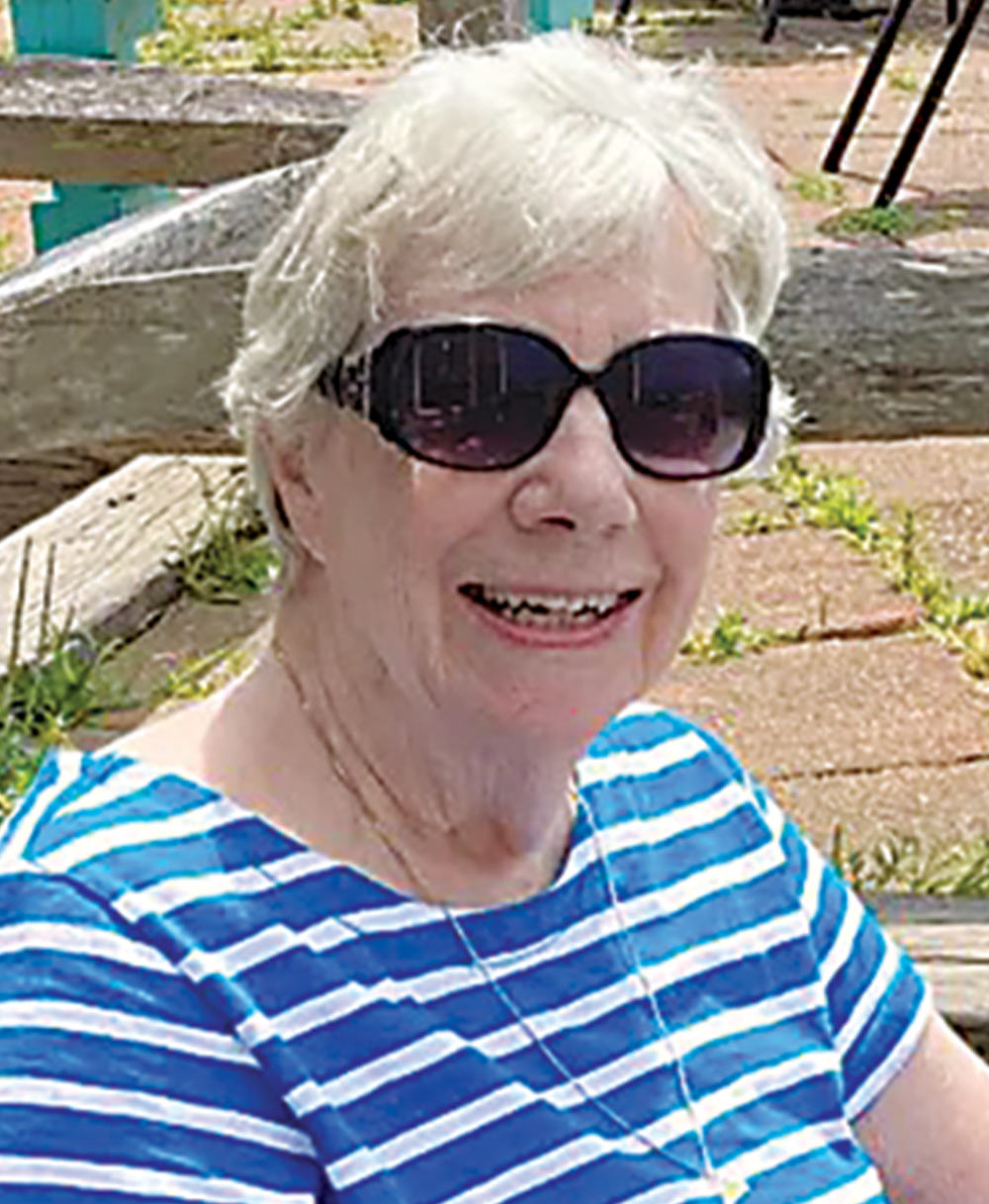 Cynthia “Kirk” Kirkpatrick Kingsley ’48
Kirk, a historian, puzzler, and gardener, died May 20, 2025.
She earned a bachelor’s in history with Honors at the College and a master’s in history at Columbia University. Beyond her professional achievements, Kirk embraced the role of mother, found joy at the beach, was an avid reader, attended the opera, was a master of The New York Times crossword puzzles, cultivated a beautiful garden, and spent summers on Martha’s Vineyard.
-
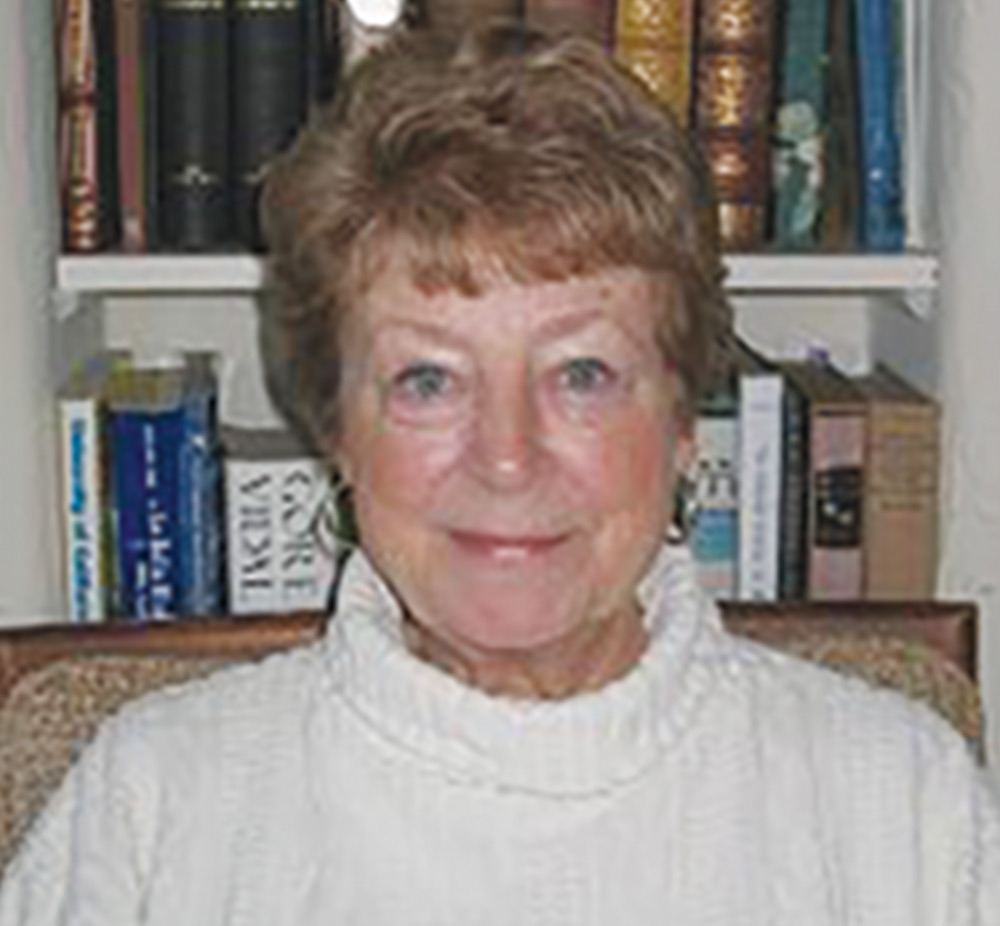 Jean Matter Mandler ’51
Jean, an emerita professor of cognitive science, died March 14, 2025.
She earned a bachelor’s in philosophy with Highest Honors at the College, was Phi Beta Kappa, and received a Ph.D. in psychology from Harvard University. She was a professor at the University of California–San Diego and later was a founding member of its Department of Cognitive Science, retiring in 2000. She wrote the award-winning Foundations of Mind: The Origins of Conceptual Thought; received the American Psychological Association’s Distinguished Scientific Contribution Award; and was a fellow of the American Academy of Arts and Sciences and of the Society of Experimental Psychologists.
-
Kenneth “Ken” R. Kurtz ’51
Ken, a hall-of-fame journalist, died April 7, 2025.
He earned his bachelor’s in political science at the College and worked in television news in various states, before moving to Lexington, Ky., in 1975, where he was news director and vice president of news for WKYT until his retirement. Ken was inducted into the Kentucky Journalism Hall of Fame and served in journalism organizations, including as state chair for the Society of Professional Journalists Project Sunshine, which focused on freedom of information issues, and as president of the Associated Press Broadcasters of Kentucky, among others.
-
Daniel “Dan” M. Singer ’51
Dan, past member of the Board of Managers, died April 15, 2025.
He earned a bachelor’s in political science with Honors at the College where he was an RA, Senior Class President, and a member of the varsity tennis team, College Orchestra, Hamburg Show, Phoenix, and Book and Key Society. Dan, who earned a law degree at Yale University, was counsel at Fried, Frank, Harris, Shriver & Jacobson and was married to the late Maxine Frank Singer ’52 with whom he had four children. As an alumnus, he was a member of the Board of Managers and Reunion Committee, among other volunteer positions.
-
Anne “Nancy” Newbegin Feldman ’53
Nancy, a lifelong horsewoman and dressage judge, died April 5, 2025.
She earned her bachelor’s in English literature at the College, where she met husband E. Paul Feldman ’53; received a master’s of social work at Simmons College; and was part of the family business, Bagel Day, until the couple retired in 2017. When the family moved to Maryland, Nancy pursued her passion for horses and horse training; volunteered on the Giles-Johnson Defense Committee; mentored young equestrians; was a leader in the Redland Hunt Pony Club; served as a dressage judge; and published Collective Marks.
-
Edith Riggs Barakat ’54
Edith, an artist, archivist, and genealogist, died Feb. 18, 2025.
She attended the College where she met and later married the late Farouk Barakat ’55; the couple had two children; and in 2005, the couple chose to live full time in Minocqua, Wisc. Edith was a creative artist in knitting, jewelry and basket making, and quilting, and was represented by the Goode Gallery in Woodruff, Wisc. She was also the genealogist and archivist for her extended family, including stories of her father, an agricultural missionary in China, and was recognized during ceremonies at the Memorial Hall of
the Victims of the Nanjing Massacre. -
Roger D. Freeman ’54
Roger, a leading Tourette’s syndrome expert, died March 13, 2025.
He earned a bachelor’s in German at the College as well as an M.D. at Johns Hopkins University. In 1969, he accepted a position at the University of British Columbia serving, over time, as its clinical professor emeritus in the Department of Psychiatry. He was also the former clinical head of the neuropsychiatry clinic at Children’s Hospital. Roger was a member and former chair of the Professional Advisory Board of the Tourette Syndrome Foundation of Canada, and created a database to record the signs and symptoms of more than 7,500 individuals diagnosed with Tourette’s.
-
Jay G. Ochroch ’54
Jay, a bankruptcy attorney, died April 17, 2025.
He earned a bachelor’s in economics at the College, where he was Phi Beta Kappa; a member of lacrosse, football, and wrestling teams; and received an All-American honorable mention. He earned an LL.B. at the University of Pennsylvania and worked for Fox Rothschild for over 60 years, leading its creditor’s rights group. Jay was on the Cheltenham Township Zoning Board, served as an election official, and was given the Philadelphia Bar Association’s service award for his pro bono work for Philadelphia’s Consumer Bankruptcy Assistance Project.
looking back
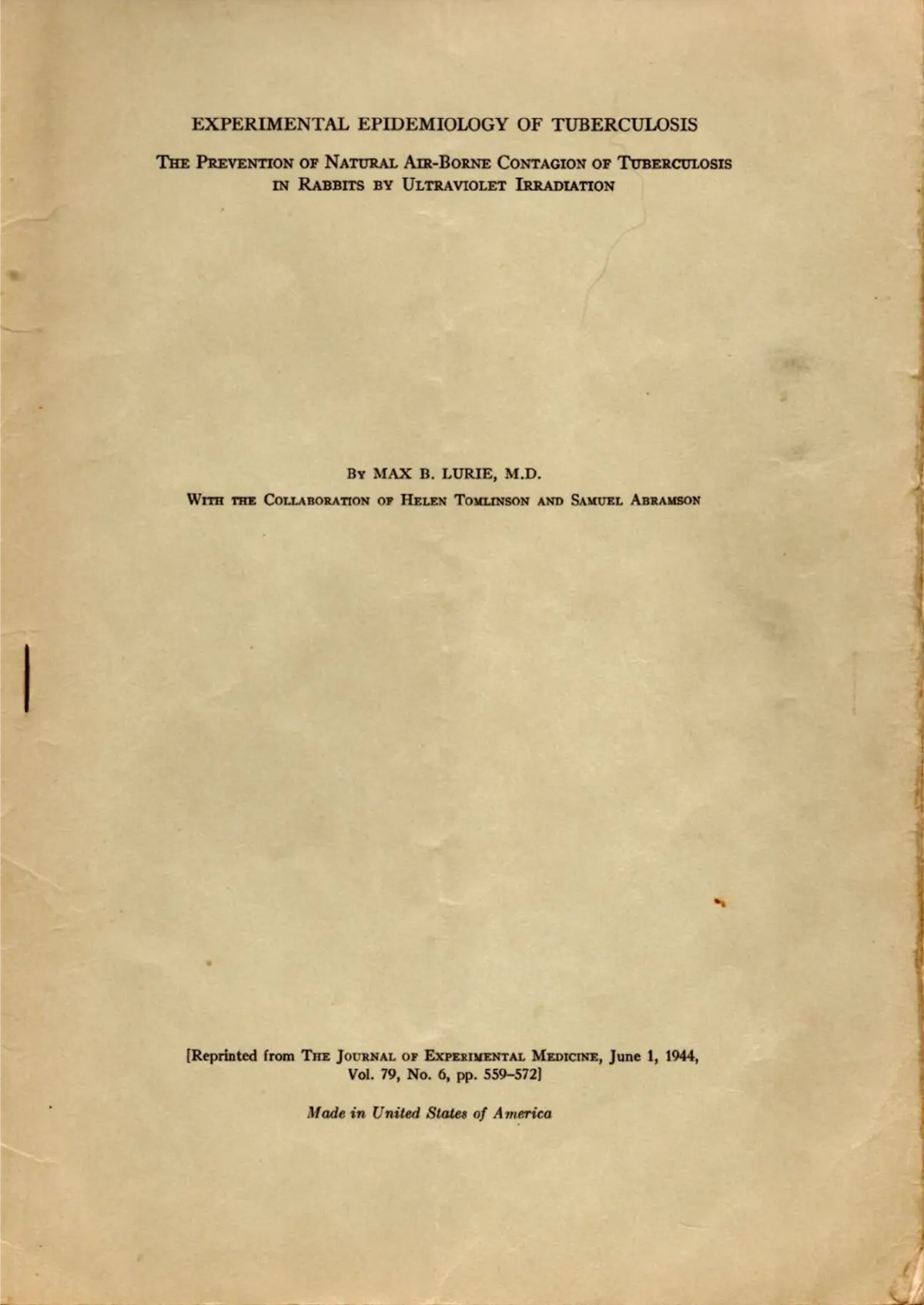
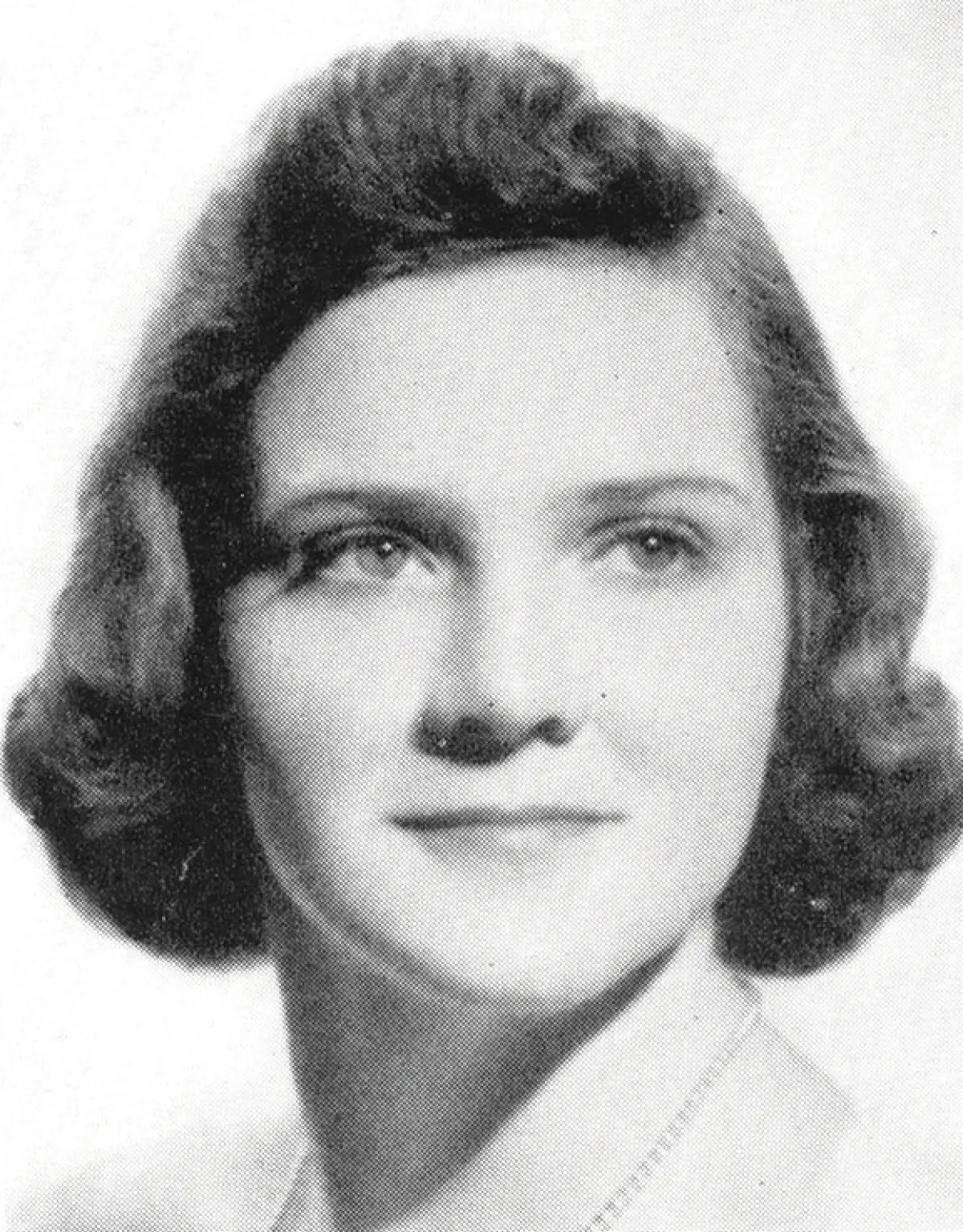
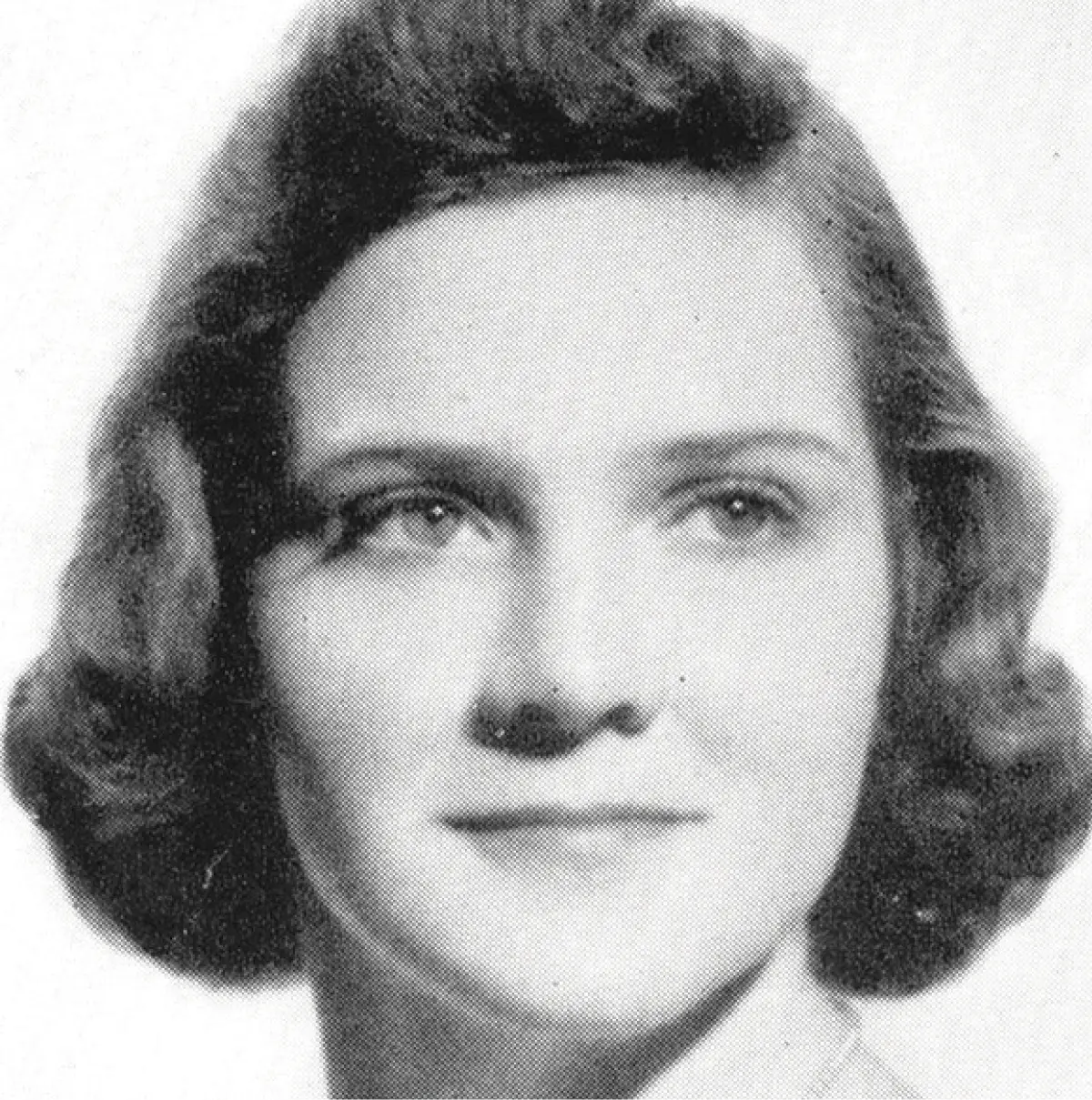
Tomlinson Gibson was a sports star at the College at a time when few female students had that distinction. She served as captain of the Garnet field hockey, women’s tennis, and women’s basketball teams, excelling in each sport.
Her marquee sport was field hockey; she was a second team All-American in 1940, an All Mid-Atlantic Region performer in 1939 and 1940, and a member of the All-Philadelphia Team in 1939. Following graduation, she played for the U.S. national field hockey team for several years. On the tennis court, Tomlinson was a two-time captain and finished unbeaten during the 1941 season. On the basketball court, she was a two-time captain and the squad’s leading scorer during her junior and senior seasons. Two of her four daughters, Barbara Gibson ’71 and Jeanne Gibson ’78, graduated from Swarthmore with Biology degrees and as varsity athletes.
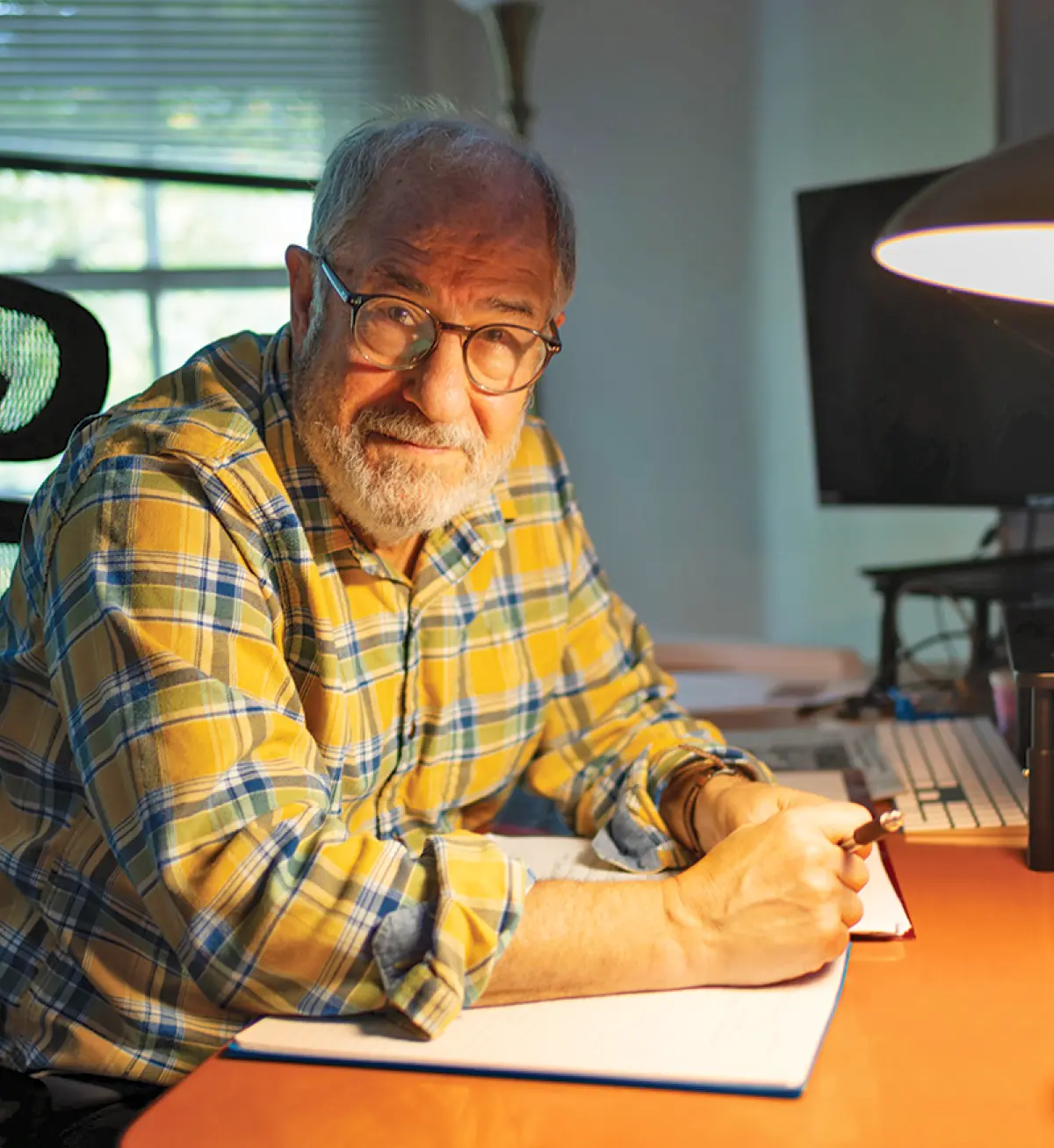
democratic ideals
What appealed to you about this opportunity?
When I was in high school in Ohio, Swarthmore was actually my first-choice college. I flew in for an interview, and when the interviewer looked over my file, he suggested I was wasting my time. I don’t take rejection well, and half a century later I finally found a way to get in. But more seriously, Swarthmore represents something special. I’ve never felt more privileged than being here. The College has a kind of intellectual integrity and humility that sets it apart. Its students are gifted, but they’re also willing to listen, to wrestle with ideas, to grow. To me, that’s at the core of the institution.
What does your investigative journalism course entail?
I’ve taught investigative reporting before, but this course is different. America itself is in a different situation, so this is not a generic investigative journalism class. We’ll be focusing on civil liberties under attack and the threats to democratic institutions. It’s a course designed to be responsive to the times in which we live. That means students will be grappling with very real, fraught issues. Investigative reporting is the hardest form of journalism, in my opinion. That’s also why I’ve brought in Vernon Loeb, a journalist of enormous experience and talent, to help mentor the students. We work in teams to support one another when the going gets tough.
How do you view journalism at this moment in American history?
At 74, I’ve lived through a few cycles and periods. But this period is truly different. We are in uncharted waters.

Science in the Summer
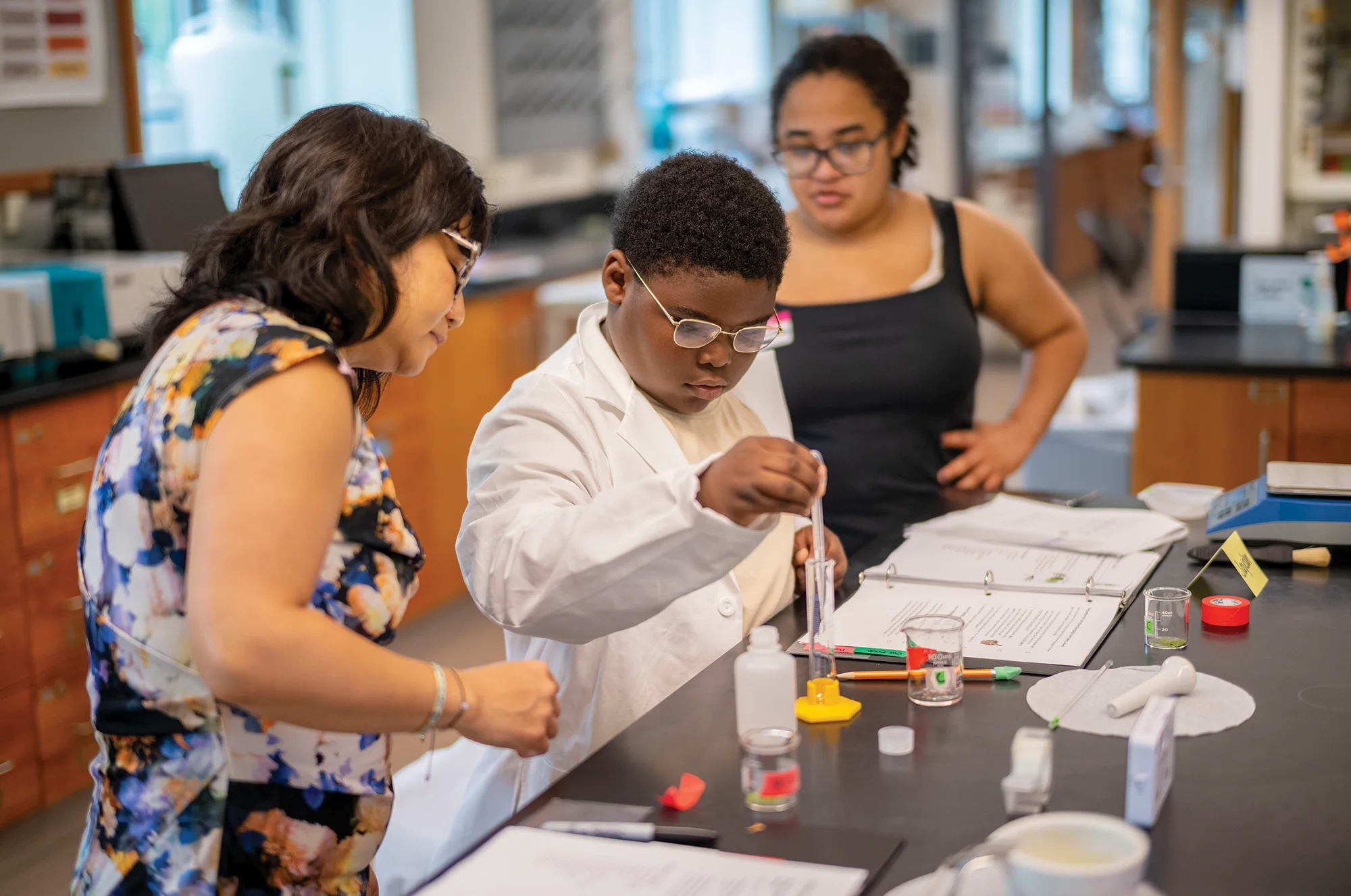
This summer’s Chester Children’s Chorus programming culminated with the Liz Vallen Science for Kids Poster Session. Jayden Berry gets some guidance from Catherine King ’27 (far right) and Director of Curriculum and Arts Integration at the Chester Charter Scholars Mindy Nguyen.
Our Common Purpose
Be that someone for today’s students.
