

common good
What’s at Stake with Endowment Excise Tax Hikes?
How endowments work:

Need-blind Admissions
Swarthmore’s endowment enables us to admit students from the United States without considering whether they can afford to pay tuition.

900
The number of students at Swarthmore — more than half of the student body — receiving financial aid this year.

Thanks to our endowment:

loan-free Financial Aid Packages
Swarthmore students are not expected to take out loans to pay for their education.



per year
to cover tuition and expenses related to their education.

increase in cost, on average, for a student on financial aid today compared with what a student paid in 2004.
A Spring Protest & Concern for Campus Safety
The next morning, College staff members discovered vandalized property at the encampment; the Big Chair was covered with graffiti containing abhorrent statements celebrating violence and promoting hate. As the protest continued, the number of individuals involved varied, ranging from 8-10 at times, and growing to approximately 50-60 individuals. Many remained fully masked and refused to provide identification when asked. The College began issuing interim suspensions to those students who could be identified.
As the protest carried into a third day, an increasing number of faculty and staff members as well as other students — including non-U.S. citizens — expressed concerns about the ramifications of the encampment.
SJP continued to promote the protest on social media, drawing the attention of law enforcement agencies, who urged the College to bring the encampment to an end as quickly as possible.
With rising concerns about safety and security on campus, a continued and growing presence of individuals unaffiliated with the College, and no signs that protesters were willing to engage in conversation that would bring the encampment to an end, President Valerie Smith made what she described as the “terribly difficult” decision to call local law enforcement for assistance.
On May 3, approximately 35 police officers, led by Swarthmore Borough Police, arrived on campus. Police and staff from Student Affairs offered protesters one last opportunity to leave or face trespassing charges. Ultimately, police arrested and removed nine people, only two of whom — a current student and a former student — were affiliated with the College.
“As painful as this moment is, I hope it can also serve as an inflection point — a chance to return to the principles that have long defined our community,” Smith wrote in a message to the community following the arrests. “We can choose to engage across our differences with openness and curiosity, to challenge one another’s assumptions with both conviction and respect, and to lead with care and compassion, even in the most trying times. In doing so, we can build upon what binds us together, and foster a more resilient and inclusive future.”
A Unifying Call for Constructive Engagement
The statement, published in April by the American Association of Colleges and Universities, came weeks into the administration’s mounting campaign against higher education, and hours after Harvard University became the first school to sue the government over threats to its funding. Harvard is one of several institutions hit with huge funding cuts and demands they relinquish significant institutional autonomy.
In part, the statement reads: “As leaders of America’s colleges, universities, and scholarly societies, we speak with one voice against the unprecedented government overreach and political interference now endangering American higher education. We are open to constructive reform and do not oppose legitimate government oversight. However, we must oppose undue government intrusion in the lives of those who learn, live, and work on our campuses.”

Bridging the Divide: Inside Swarthmore’s ‘Great Issues in Public Policy’ Course
The course, called Great Issues in Public Policy, is taught by Associate Professor of Economics Syon Bhanot and Claude C. Smith ’14 Professor of Political Science Dominic Tierney, who also jointly designed it this year. The course aims high — it requires students to critically engage with some of the most pressing and controversial policy debates of our era, in a way that brings in a variety of viewpoints, including many the students may not agree with.
Covering topics from abortion to artificial intelligence, from the war in Ukraine to immigration, the course offers students a space to explore policy issues in an intellectually rigorous yet open and respectful way. It arose from Bhanot’s and Tierney’s shared interest in policy issues and the periodic chats they would have about bringing more policy perspectives into the classroom. But the course’s development was also deeply personal and timely.
“We are all at an inflection point,” Bhanot explains. “Globally, socially, and even on our own campus, we are experiencing profound disruptions. Polarization isn’t just happening ‘out there’ — it’s happening to us, too. And if we don’t create academic spaces where ideas can be exchanged, even counter-attitudinal ones, we in academia risk further marginalization from broader society.”
Tierney echoes this sentiment, emphasizing that public policy is rarely black and white.
“Once you wrestle with the challenges of making policy — considering trade-offs, weighing unintended consequences — you start to lose that binary perspective. You gain a more nuanced understanding, and that’s exactly what we hope to cultivate.”
“We’ve had speakers ranging from a Quaker peace studies professor to a U.S. Army Special Forces officer,” says Tierney. “From Planned Parenthood leadership to prominent legal scholars who take a pro-life position on abortion. The goal is to expose students to as many viewpoints as possible.”
For students, Great Issues in Public Policy is unlike any other class they’ve taken — a space in which to challenge and be challenged. Noah Pearlman ’25 was drawn to the course because it allowed him to apply theoretical knowledge to real-world issues. “This course has provided a rare opportunity to gain a high-level understanding of national and global challenges while also engaging in meaningful discussions about solutions,” says Pearlman, a political science, philosophy, and economics special major from Tampa, Fla.
The course’s online Slack forum has become a hub for these discussions, fostering intellectual engagement beyond the confines of the classroom.
“The quality of the student conversations has been impressive,” Tierney says. “Even when they disagree, they remain constructive. That’s not something you see very often — especially in discussions about issues as contentious as Israel-Palestine, for example.”
For Reza Homayounfar ’26, the focus on current events was the biggest draw.
“Most courses only touch on modern issues briefly before pivoting back to historical content,” says Homayounfar, of New York City. “Here, we stay rooted in the present. I love that we don’t just discuss these topics. We dissect them, challenge them, and think critically about their implications.”
— RYAN DOUGHERTY
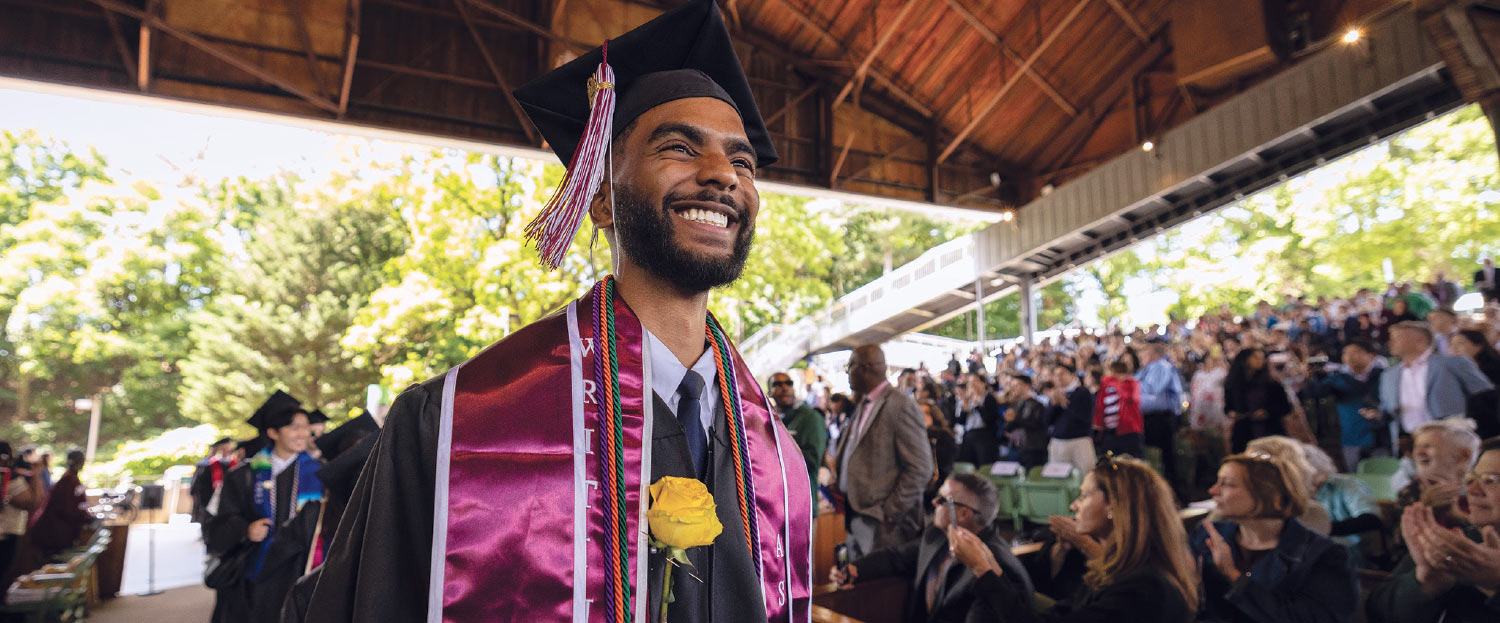
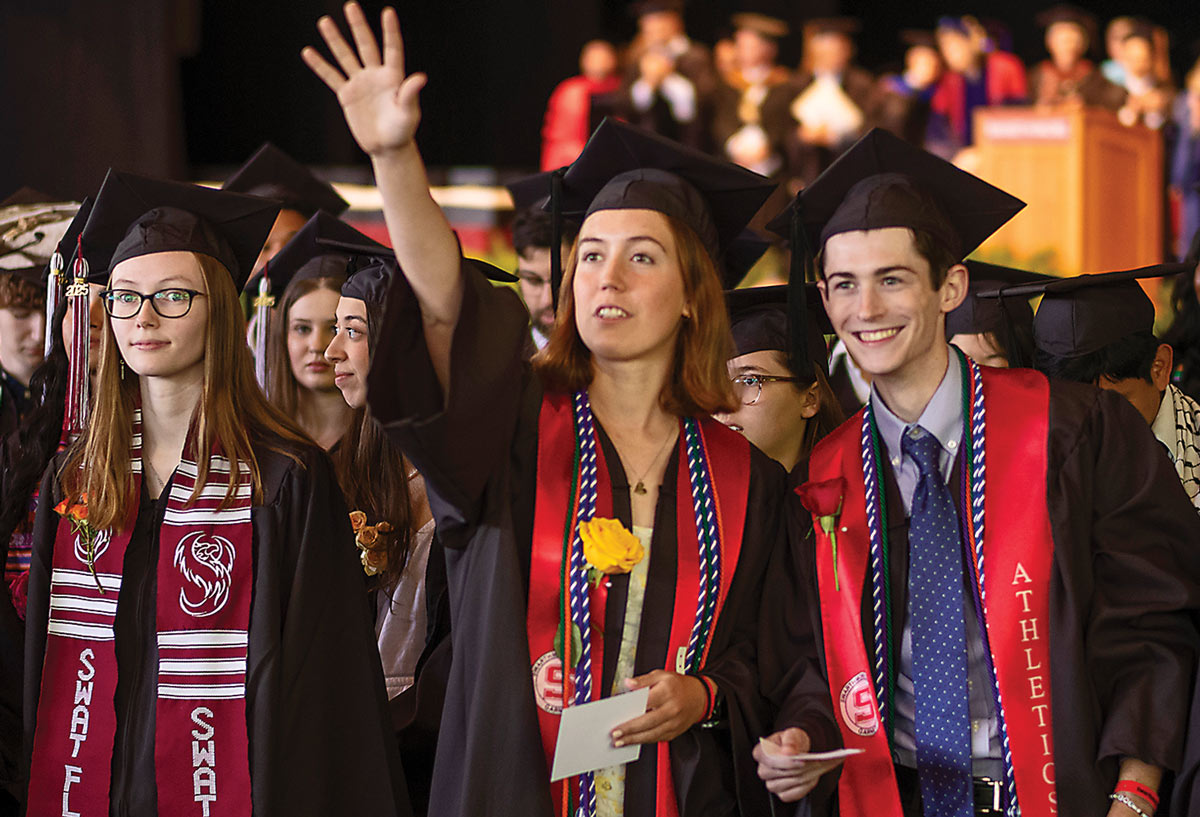
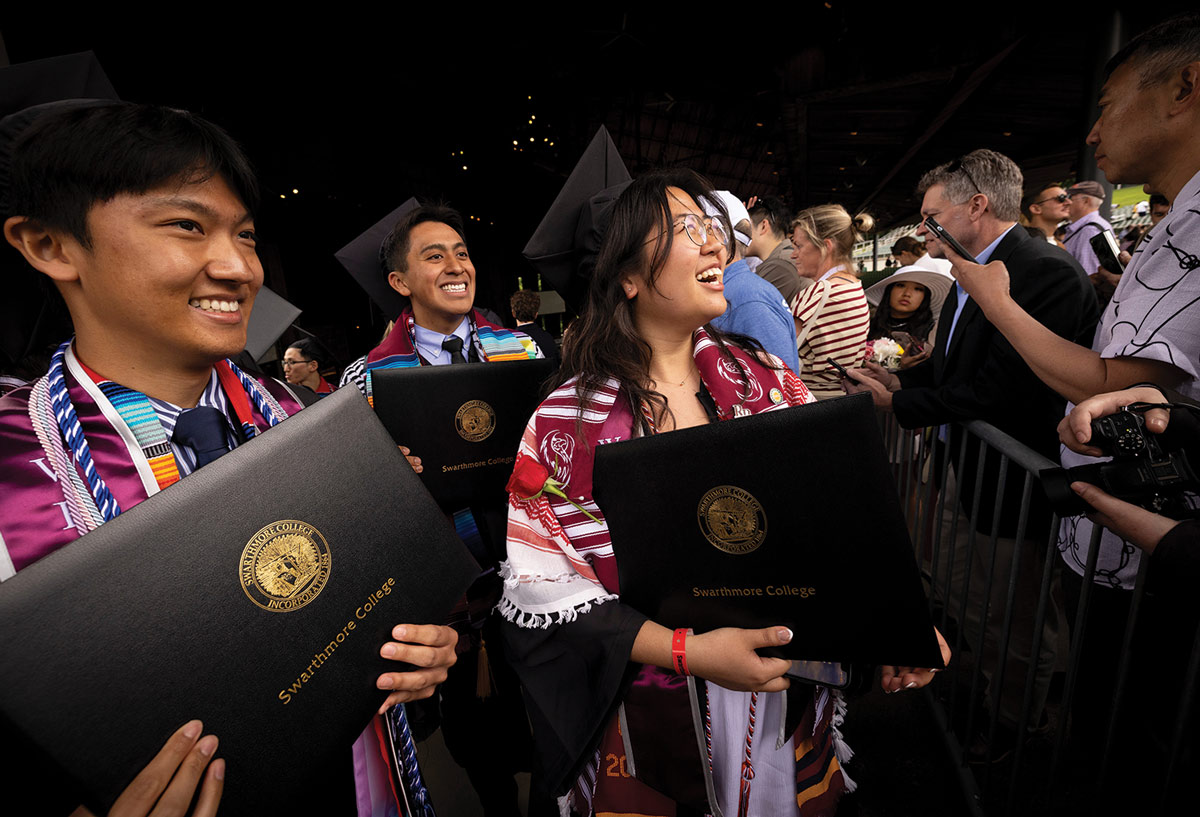
Commencement 2025
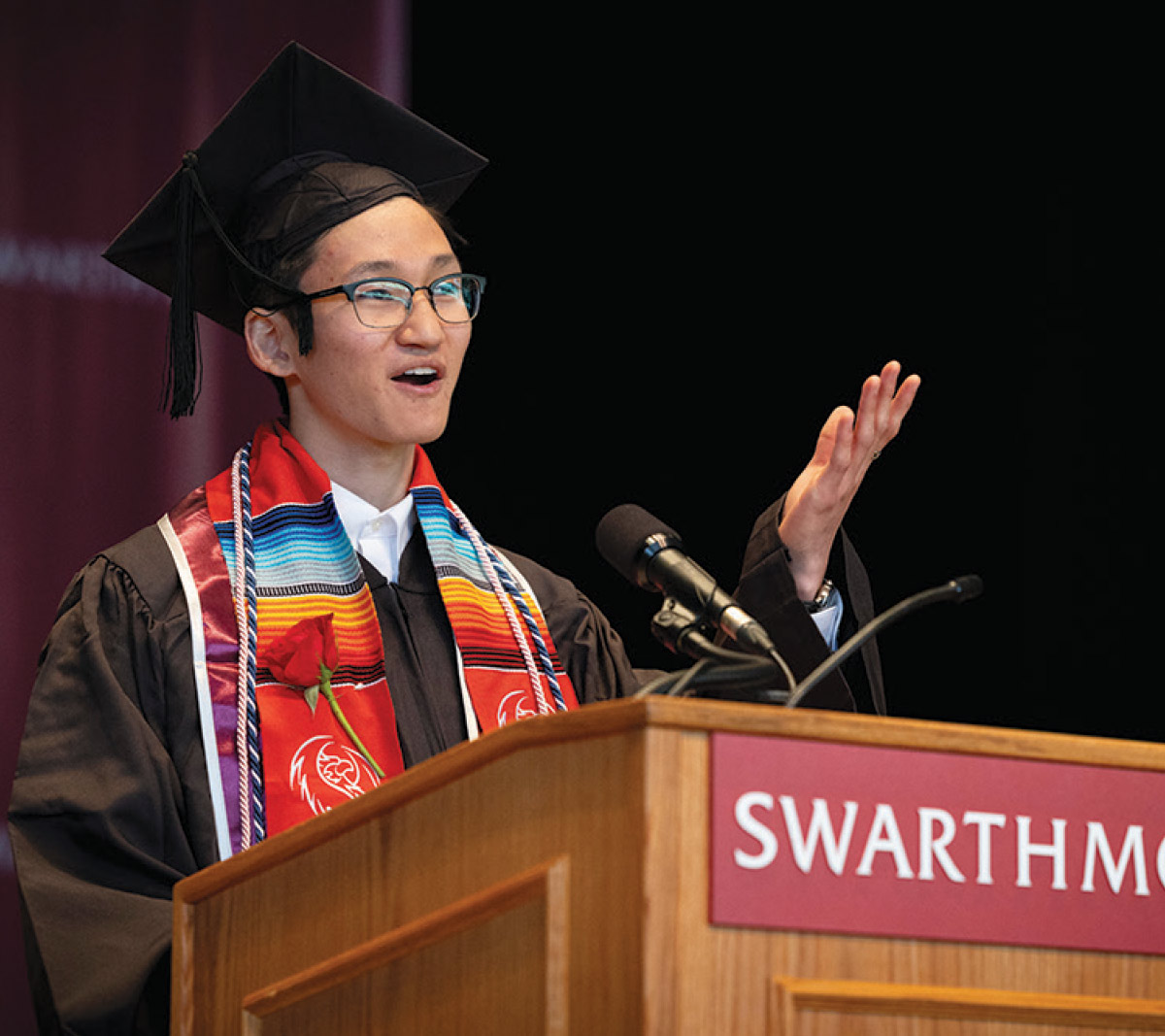
Special awards announced at the ceremony included the Oak and Ivy to Jean Luc Ishimwe ’25, Reuben Kadushin ’25, and Kayla Miller ’25, Lang to Stephen Kwas ’25, and McCabe Engineering to Lindsey Turner ’25 and Yihui Wu ’25,.
Alora Young ’25 addressed the senior class at Last Collection on May 24. Speakers at this address, an assembly-style gathering, are chosen by the senior class. Yvonne Chireau, Peggy Chan Emerita Professor of Black Studies and Professor Emerita of Religion, addressed the graduating class at Baccalaureate services on May 24 after being introduced by Mari S. Michener Professor of Religion Steven Hopkins.
“Commencement was not without some disruption,” said President Smith, in a message to the community. “I’ve heard varying views on the interruptions that occurred during the ceremony. Ultimately, I believe they reflect the College’s ongoing commitment to upholding the values of peaceful protest and free expression. At the same time, they remind us of the importance of continuing to listen to one another, to engage across differences, and to seek out ways to move forward with mutual respect and understanding.”
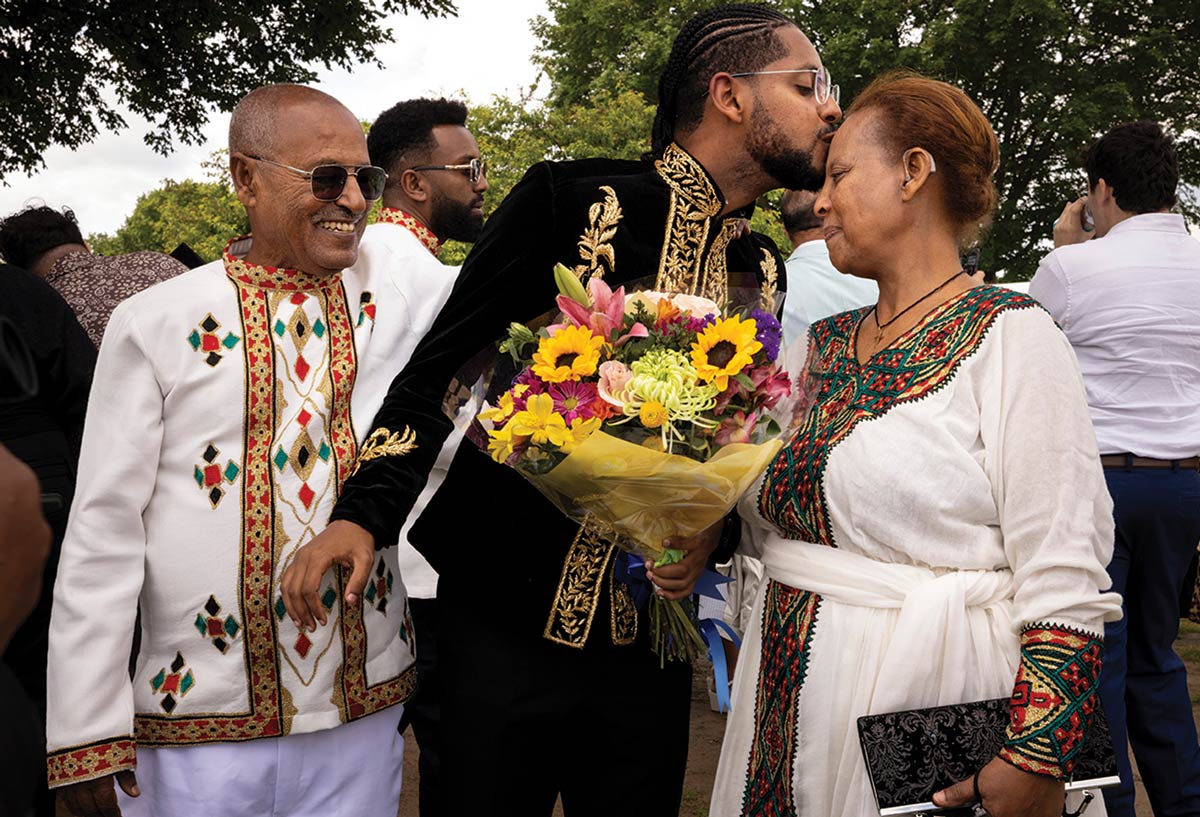
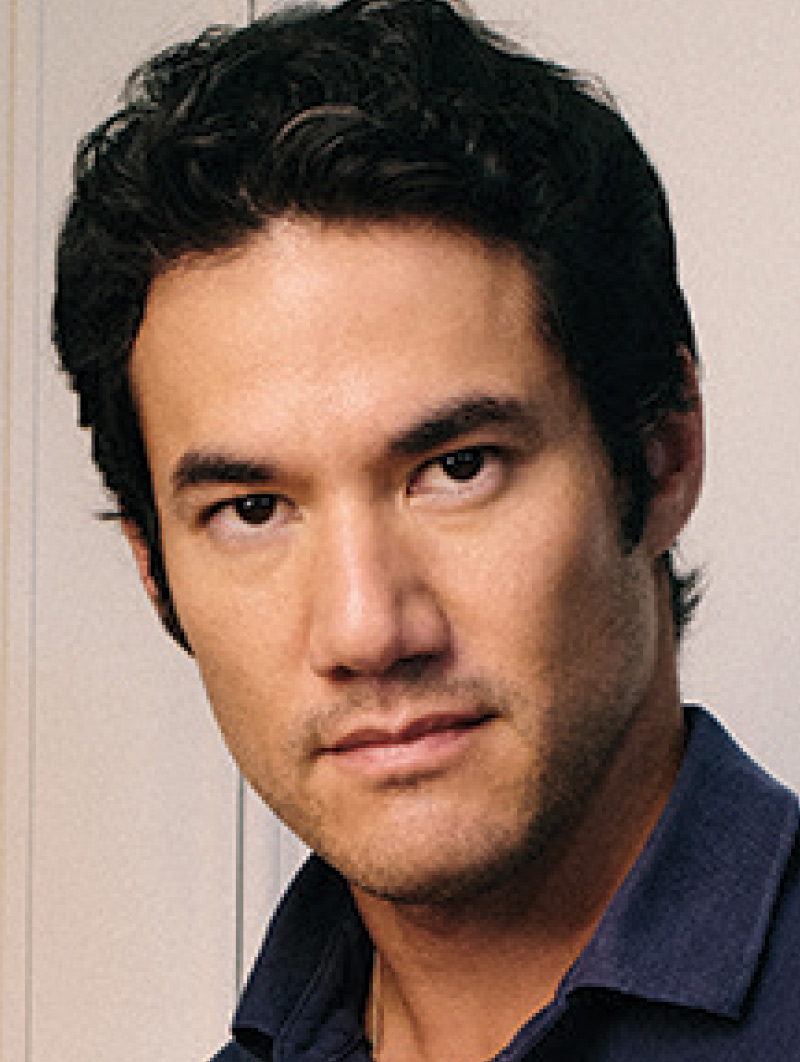
Honorary Degrees Awarded
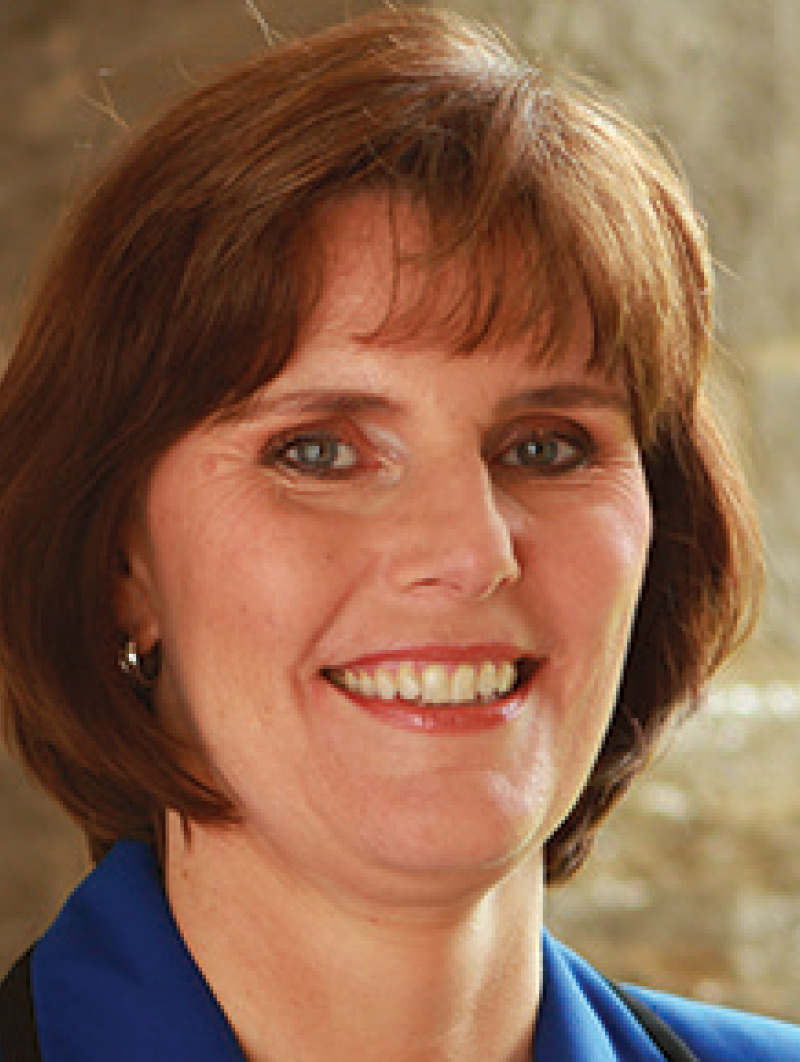

Eldridge earned a B.A. with Honors in English literature from the College and an M.Ed. from the University of Massachusetts–Amherst.
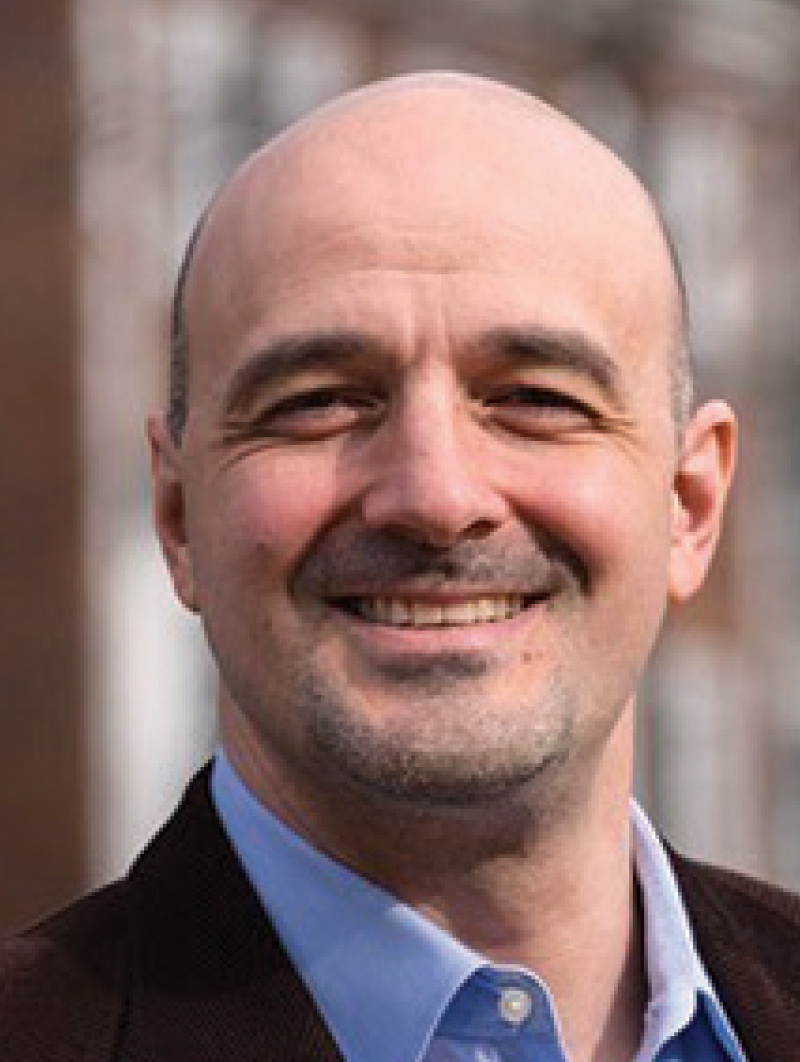
READ MORE: bit.ly/SwarthmoreHonoraryDegrees2025
U.S. Senator Chris Van Hollen ’83, H’14 Condemns Deportations Without Due Process
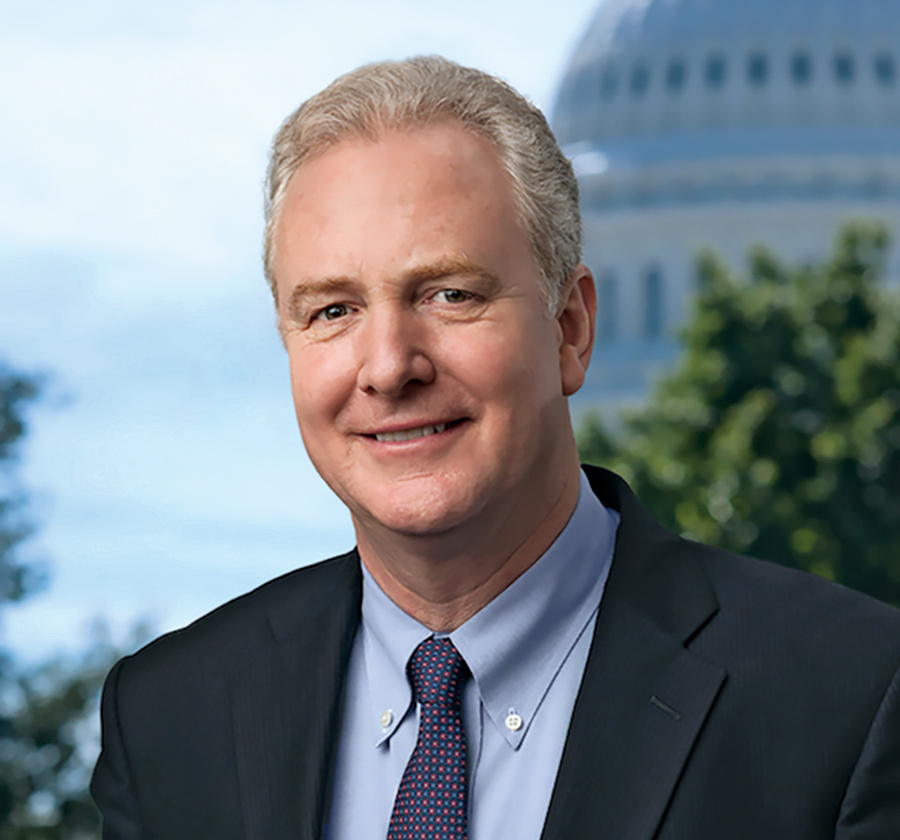
office of u.s. senator chris van hollen ’83 H ’14
“This is an example of a much bigger challenge,” U.S. Senator Chris Van Hollen ’83, H’14 (D-Md.) said of the case of Kilmar Abrego Garcia. “Because my view is when you start picking on the most vulnerable people, and you push and push and push, and you get away with it, then you take the next bite.”
U.S. Senator Chris Van Hollen ’83, H’14 (D-Md.) traveled to San Salvador on April 16. His goal was to visit Kilmar Abrego Garcia — a constituent of his who was wrongly deported to El Salvador and imprisoned in the notorious Centro de Confinamiento del Terrorismo (CECOT) — to check on his well-being and to speak with government officials about his release. On the first day of his trip, he met with Salvadoran Vice President Félix Ulloa to request a visit with Abrego Garcia, which was denied. The next day he was also denied access to see him in CECOT, but Van Hollen later that day was granted a meeting with Abrego Garcia, he said in a post on social media. “I said my main goal of this trip (to El Salvador) was to meet with Kilmar. Tonight I had that chance,” wrote Van Hollen.
“I have called his wife, Jennifer, to pass along his message of love,” he said. “I look forward to providing a full update upon my return.”
Van Hollen said his visit underscored a broader Democratic effort to spotlight Abrego Garcia’s case as an example of the Trump Administration’s violation of the rule of law.
“This is an example of the much bigger challenge, no doubt about it,” Van Hollen said of the case of Abrego Garcia, who had been living in Maryland under an immigration judge’s order that granted him protection from deportation to El Salvador. “Because my view is when you start picking on the most vulnerable people, and you push and push and push, and you get away with it, then you take the next bite.”
In a recent interview with Phoenix writer Daniel Perrin ’27, an economics major from Baltimore, Van Hollen said: “The voice of the students of Swarthmore matters. Your voice matters, your actions matter, and you do have the power to bring about change. … It’s more important than ever that people get fully engaged to protect our democracy, protect the rule of law, and protect our Constitution.”
Van Hollen was born in 1959 to parents serving in the U.S. Foreign Service in Pakistan. After a childhood going back and forth from Maryland to Pakistan, Turkey, India, and Sri Lanka, he attended Swarthmore and graduating with a B.A. in philosophy in 1983. He earned a master of public policy from Harvard Kennedy School of Government and his law degree from Georgetown University. He was a staffer for Sen. Charles Mathias, for the Senate Foreign Relations Committee, and for Maryland Governor William Donald Schaeffer before being elected to the Maryland House of Delegates in 1990. Van Hollen was elected to the Maryland Senate in 1994, to the U.S. Congress in 2002, and to the U.S. Senate (D-Md.) in 2016.
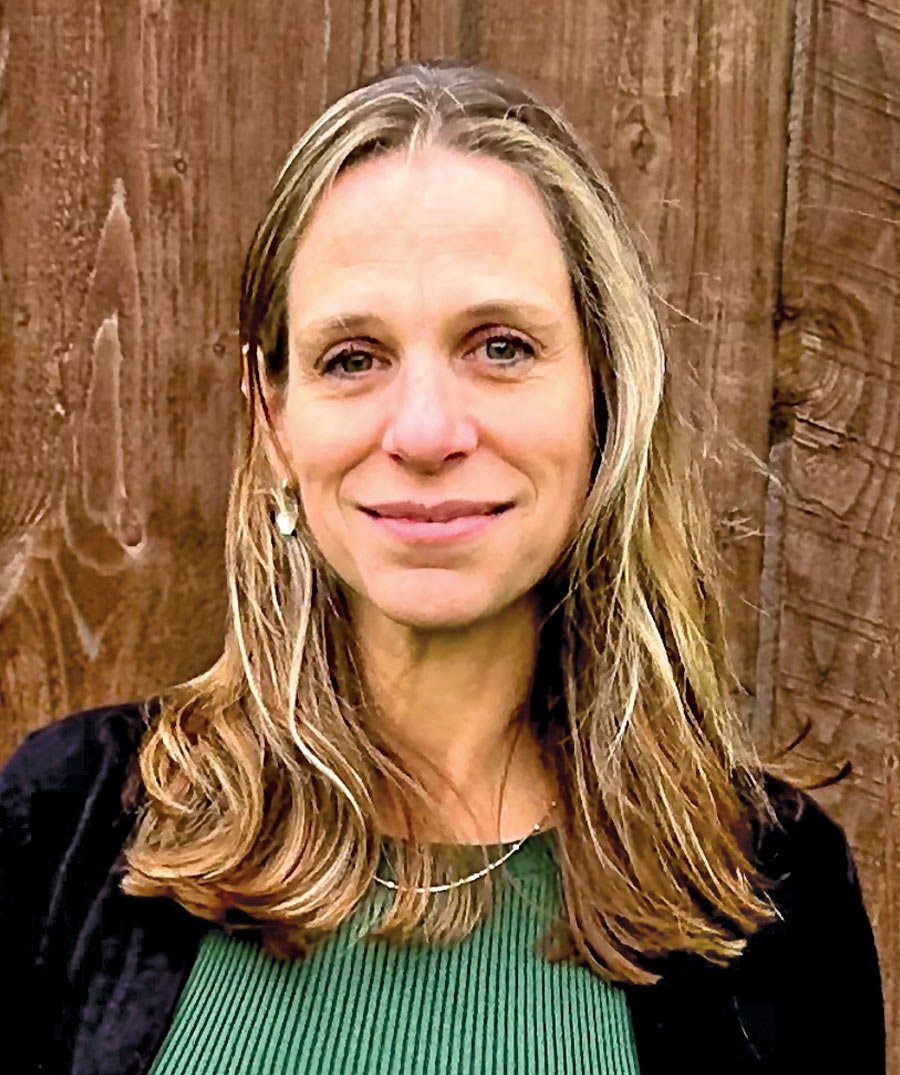
courtesy tanya boudreau
Forecasting Famine
“It was a traumatic shock,” says Boudreau, who has served as the chief of party of the Famine Early Warning Systems Network (FEWS NET) since 2022. Following devastating famines in East Africa and the Sahel in the 1980s, which killed more than one million people, USAID set up a data-driven program to provide an objective flow of information to detect famine’s early warning signs and help direct billions of dollars of aid to where it’s most needed.
For millions, accurate famine forecasting is the difference between life and death — but achieving it is notoriously difficult, says Boudreau. A jumble of factors drive food insecurity, from locusts and crop health to rainfall and livestock productivity, to local economic conditions and global food prices. Governments also sometimes cover up early signs for political reasons.
Forty years on, FEWS NET’s sophisticated modeling tools, which integrate satellite data with information on the ground, nevertheless lent it an unrivalled capacity to predict famine. In 2016, FEWS NET sounded the alarm about food insecurity in the Horn of Africa — and was credited with saving up to a million lives. “In its geographic scope and complexity, it’s the only global information system that provides an eight-month projection of where food insecurity will emerge. That’s enough time to load ships with aid and point them in the right direction,” says Boudreau, who decided she would dedicate her career to global food security as a 13-year-old, shocked at footage of the Ethiopian famine.
“The world we lived in was dismantled overnight.”
—Tanya Boudreau ’90
For months, nobody knew if the service would restart. Meanwhile, the most vulnerable areas in the world, like Gaza and Sudan, were slipping further into crisis. “The world we lived in was dismantled overnight,” says Boudreau. “A dedicated group of extraordinary people from across the globe, all striving to make the world a better place — obliterated.”
In April, the path was cleared for FEWS NET to restart, albeit initially in a limited capacity. Its long-term future remains uncertain.
“It is still tenuous,” says Boudreau. Even if FEWS NET does make a full return, the damage has already been immense to the information landscape, including an irreplaceable break in the historic record. “It took four decades to build up the relationships that ensure a steady flow of information from around the world. Those relationships will take so long to rebuild.”
— tomas weber
Rich Wicentowski Named Next Provost

“Rich has consistently demonstrated his deep commitment to Swarthmore’s mission,” Smith said. “Rich’s openness to different viewpoints and thoughtful, collaborative approach will serve the community well as we make our way through this period of uncertainty and significant challenges.”
Wicentowski is a highly respected scholar and teacher whose research focuses on natural language processing, including computational morphology and semantic disambiguation — areas centered on how computers learn to understand and work with human languages. Since joining the faculty in 2002, Wicentowski has held numerous leadership roles and has served on several standing faculty committees, including as a current member of the Faculty Compensation Committee and the Committee on Faculty Procedures (COFP).
“I appreciate that this is a challenging time to step into a senior leadership role at Swarthmore,” said Wicentowski.
“But I also see real opportunities for our community to come together to address those challenges. This will require building trust among and between faculty, staff, and students, which includes treating each other with respect and empathy. We won’t always agree, but we must work across our differences and lean into our shared interest of advancing the mission of the College.”

Unparalleled
But all of that changed during his first days at Swarthmore. Here for the Summer Scholars Program (S3P), Peña felt a kinship with an upperclassman who belonged to the men’s club rugby team. Then he heard more about the “hooligan’s game played by gentlemen,” as the saying goes, at the activities fair.
“Why not, right?” he recalls thinking, before putting his name down. “Plus, it’s a PE credit.”
That might sound like an impulsive decision for such a rock-fight of a sport. But it’s proven hugely beneficial for Peña, imbuing his college experience with adventure and boosting his self-confidence.
“My experience with the team has been unparalleled and unforgettable,” he says.
Peña, who previously had struggled to ask for help, faced a steep learning curve, on top of the physical demands of the sport. Each practice brought new bruises, cuts, and the ever-present strain of pushing beyond limits. But rather than the game breaking him down, it built Peña up. His teammates were more than just competitors — they were guides, mentors, and friends. Peña recalls moments from practice when older members of the team taught him how to tackle properly, not through harsh critique, but by demonstrating.
By fostering an atmosphere of trust and mutual respect, they eased Peña’s fear of failure and helped him to step out of his comfort zone.
With coaches who emphasized teamwork over individual stardom, Peña realized that something as simple as asking where to stand during a play was a critical part of contributing to the team. This lesson rippled into his academic life, where he now knows that seeking guidance — from office hours to study groups — is a strength, not a weakness.
“The lessons I’ve learned apply to Swarthmore as a whole,” says Peña, who also serves as a personal trainer for Athletics. One of Peña’s fondest memories is the “rainbow run,” an ironically named team exercise that tested both physical endurance and mental grit. It was brutal — he wasn’t sure that he would finish. But running as a team, arms linked and voices cheering each other on, made him realize he wasn’t just a rugby player.
“At that moment I realized that I am part of this team,” he says, “but more importantly a part of the Swarthmore community.”
“A Historic Celebration”: Black Studies Becomes a Department and Major
he College community gathered in jubilant celebration on May 2 as the long-standing Black Studies Program was officially recognized as an academic department with a major. Held at the Black Cultural Center (BCC) and Singer Hall, the event marked a turning point in the College’s academic and cultural life — decades in the making.
The celebration began on the BCC’s front porch, where faculty, students, staff, alumni, and supporters gathered to honor those who built the foundation for this moment. Among the speakers were President Valerie Smith; Joseph Derrick Nelson, chair of Black Studies; Brooke Vick, vice president for diversity, equity, and inclusion; Clement Cottingham Jr., the first director of the Black Studies Program; and several of the co-authors of Seven Sisters and a Brother, the landmark 2019 memoir chronicling Black student activism at Swarthmore in the 1960s.
Nelson welcomed the crowd to this “historic celebration,” and stressed the decades of collective effort that led to the department’s formation, especially the work of the Black Studies faculty committee and those who helped craft the formal proposal. “Without our collective effort, this day would not have been possible,” he said, giving credit to many professors, past and present, across the disciplines who helped to shape the department.

“These early professors were fierce advocates for change, beloved teachers, and mentors who left a lasting imprint on this campus and on generations of students,” Smith said.
Her remarks were followed by those of Vick, who offered a powerful address contextualizing the national climate surrounding Black Studies and DEI work.
“History-making change doesn’t happen all at once, nor is it linear,” she said. “Forward steps, especially in the march toward racial justice and liberation, are often met with backward steps, frequently driven by a backlash rooted in fear.” Vick called the establishment of the Black Studies Department “all the more meaningful” in this era when institutions elsewhere are dismantling similar programs.“They want people to believe that diversity work is about exclusion,” Vick said. “But this is what it’s about. It is about creating spaces where representation not only matters but is delivered. “Today is for Black joy,” she added, “and I’m thrilled to be sharing it with you.”
The ceremony also honored 12 graduating seniors pursuing Black Studies, including Brandon Archer, Journey Moore-Prewitt, and Akeyia Nichols, who combined Black Studies with majors in English, biology, and educational studies, respectively. Several Mellon Mays Undergraduate Fellows also attended, five of whom — Archer among them — are headed to prestigious Ph.D. programs this fall, the most ever for both Swarthmore and the fellowship program.
Several co-authors of Seven Sisters and a Brother shared reflections, including mention of Professor Emerita of History Allison Dorsey’s Black Liberation 1969 project that prompted their interest in documenting their story. Marilyn Holifield ’69 informed the crowd that she and her co-authors had donated all of the royalties from the book to the College.
Holifield then jubilantly announced that she and her co-authors had recently succeeded in raising more than $100,000 to endow a College fund named for their book. The fund will benefit Black Studies, Holifield noted with great emphasis, “in perpetuity.” — RYAN DOUGHERTY

The Real Instrument is the Eye
Once, shooting hotels required traveling with 10 cases of precision equipment. Setting up for a portrait could take up to two hours. Camera phones, with all the options at one’s fingertip, “freed me up,” he says, for spontaneous shots like this one. After all, “the real instrument is the eye,” Aubry says. A former teacher of photography, “I’d teach now that equipment is very secondary.” One exercise he used to give to students: Go into a church or other intriguing spot with only a pad and pencil — not your camera — and in 15 minutes, jot down what you would shoot. “No one ever came up with the same subject matter,” he says.
Aubry and daughter Valerie have been brought closer together with Valerie’s “daunting task” of digitizing 30 years of her father’s photos and creating a website, DanielAubryPhotography.com, of the most iconic. Aubry calls his son-in-law, Jay Heubert ’73, professor emeritus of law and education at Teachers College, Columbia University, “a great educator.”
More than any art class or lecture, the 90-year-old credits the conceptual thinking he learned at Swarthmore with honing his award-winning technique. “I was making pictures, not taking pictures,” he emphasizes. “I’d see the picture in my mind — think it through — then go out and create it.”
— ELLEN RYAN
architecture and engineering awards
It received a National Recognition Award from the American Council of Engineering Companies (ACEC) 2025 Engineering Excellence Awards (EEA) competition, one of the most prestigious celebrations of engineering excellence in the world. The project also earned the American Architecture Award for 2024, for its repurposing of Sharples Dining Hall into Sharples Commons, which marked the completion of the full project. The architecture award is the most distinguished building-awards honor for new and cutting-edge design in the U.S. “I’m very proud and happy to see the recognition this wonderful project is receiving from experts in the field,” says Susan Smythe, senior project manager, Facilities & Services. “We’re very pleased to see it continue to be a model for others going forward for sustainable design.”
— RYAN DOUGHERTY

MOCK TRIAL: A STUDENT-RUN PROGRAM IS A STANDOUT
In doing so, the team booked a ticket to the opening round tourney of the national championship, but they missed going to the national finals by a whisker.
What makes the Swarthmore victory so unusual is that the team is student-run, with no official faculty mentorship, and no well-heeled, in-house law school behind it for advice and support. These happy few, this band of future barristers, do it on their own. Mock trial competitions are highly structured simulations of what students might eventually face as attorneys in a courtroom.
For the AMTA events, the organization releases a packet of files containing all the materials for a single case that will be argued in all competitions that year, except the national finals. The teams compete in head-to-head fashion, one team as plaintiff and the other as defendant, with team members playing the roles of attorneys and witnesses as well. At the February Regional Tournament, held at American University in Washington, D.C., the Swarthmore A team topped rival schools that are perennial contenders at the national championship each year.
— CHRIS QUIRK
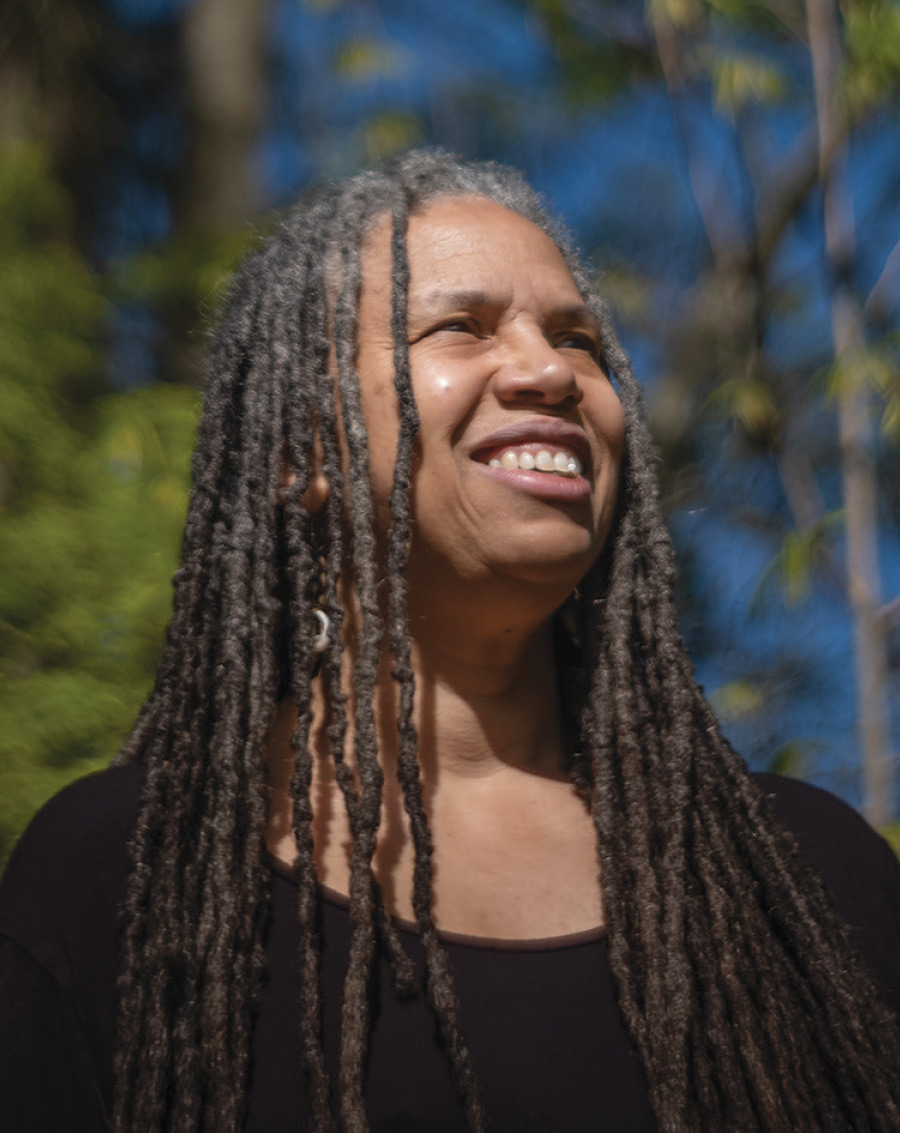
— CARA ANDERSON
Lives Well Lived

Tate attended Walton High School in the Bronx, before coming to Swarthmore where she earned a B.A. with Honors in English literature. After graduating, Tate taught at the Ethical Culture Fieldston School in New York and married the late R. Wood Tate ’50 in 1956, with whom she had five children and eventually settled in Princeton, N.J. In the 1980s, Tate worked in Princeton’s development office for 10 years, followed by caring for her aunt and uncle.
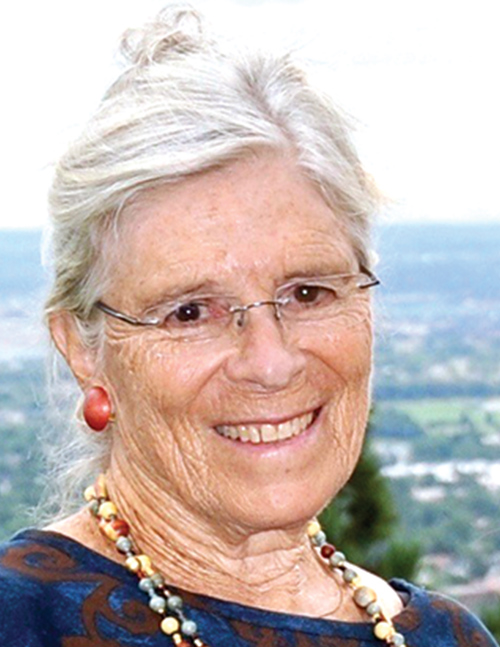
At Swarthmore, Aweida earned a B.A. in history and met her future husband, Jesse Aweida ’56. They married shortly after graduating. Aweida then completed an M.Ed. at SUNY–New Paltz and worked as an elementary school teacher. She also obtained her private pilot’s license and frequently worked as a ferry pilot. Aweida raised her five children, served on the College’s Board of Managers from 1977 to 1989, and was involved in the Boulder, Colo., Community Foundation. In 2000, Aweida founded the April Fund, which provided grants to nonprofits in a variety of fields.
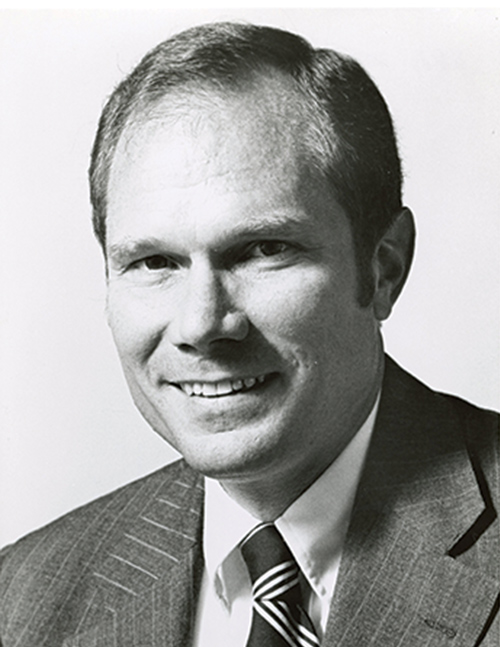
At Swarthmore, Shane majored in mechanical engineering and met Martha “Marty” Porter ’57, whom he married the year after she graduated. Shane, whose father and older brother were also alums, served in the U.S. Navy’s Critical Skills Program for two years, then joined Scott Paper Company. At Scott, he began as a project manager and worked his way up to vice chairman, retiring in 1991. He joined the Board in 1970, served as chair for seven years during Al Bloom’s presidency, and continued to serve after becoming an emeritus member in 2008. Parrish Hall’s Shane Student Lounge is named for him and his wife. Shane also established the Terry Shane Teaching Garden in honor of his mother, an avid gardener and a founder of the Scott Arboretum.

Welsh graduated Phi Beta Kappa and with high honors from the University of Delaware with a B.A. in mathematics and a B.S. in accounting, then earned an MBA from the Wharton School of the University of Pennsylvania. She spent six years in corporate finance and accounting before coming to Swarthmore in 1983. In 1989, she was named treasurer and, in 2002, became vice president for finance. The Suzanne P. Welsh Award was established in 2011 and recognizes the essential role that all staff members play in the success of the College and in the lives of Swarthmore students. bit.ly/suzannepwelsh
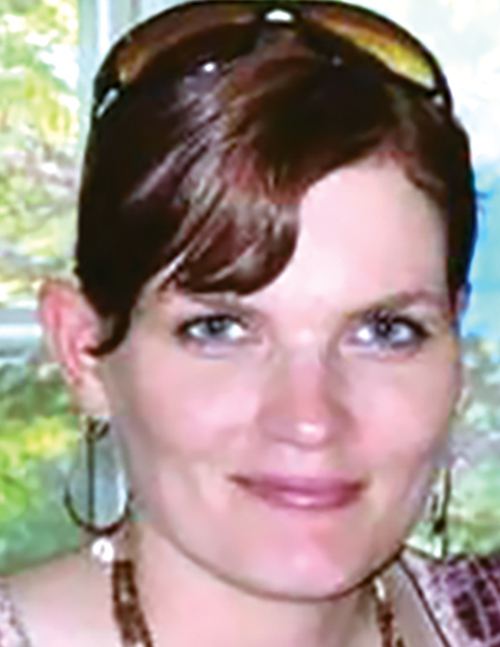
Born and raised in Delaware County, Salladino earned a B.S. from Widener University. She joined the Swarthmore community in 2016 and found a home in the Economics Department. Just days before she died, Salladino learned that she would receive the College’s Judy Lord Award, which recognizes administrative support staff for their “hard work and contribution to the life of the College”; she had “met and surpassed” its criteria. She was a longtime supporter of Bringing Hope Home, a nonprofit in Malvern, Pa., that assists individuals and families battling cancer, as well as the Providence Animal Center in Media, Pa. bit.ly/megansalladino
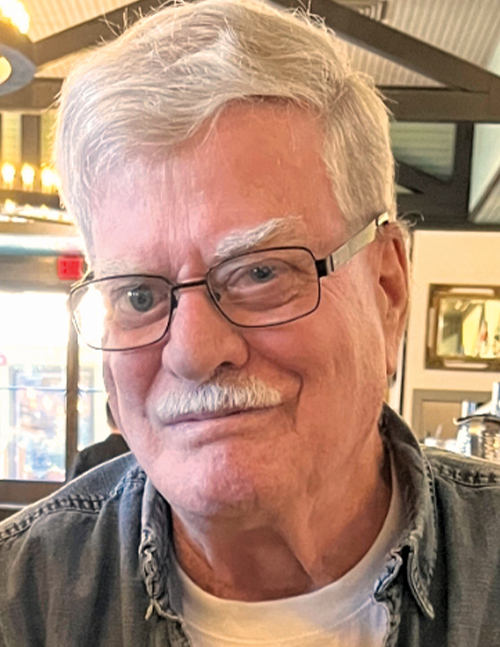
Tom joined the College’s maintenance team in 1973 as an assistant purchaser and eventually became the department’s purchasing coordinator. He also worked as a grounds crew leader, among other roles. A Vietnam War veteran, Tom served three years in the U.S. Army and was awarded a Purple Heart and a Bronze Star. He brought this same spirit of service to his nearly 44 years at the College and lived for many years on Field House Lane, which facilitated him being on call for emergencies.

A Devastating Loss
Alexia Couyutas Duarte ’23, Jared Groff ’22, and Jared’s parents, Michael Groff ’88 and Joy Saini, died when their plane crashed on April 12, in Copake, N.Y. Jared’s sister, Karenna Groff, and her partner, James Santoro, also died in the crash.
Alexia’s survivors include her sister, Ariana Couyutas Duarte ’26, who was studying abroad when the tragedy occurred.
Alexia, a first-generation American, graduated Phi Beta Kappa with a B.A. in economics and political science. After graduation, she began her career as a legal intake specialist at the Rian Immigrant Center in Boston. Most recently, Alexia worked as a paralegal in the pro bono initiative unit at MetroWest Legal Services in Miami. She had planned to attend Harvard Law School this fall.
Jared, originally from Weston, Mass., graduated with a B.A. in economics and political science. He was a four-year member of the men’s basketball team and contributed to squads that won a Centennial Conference championship and reached the NCAA Division III National Championship game for the first time in program history.
He most recently worked as a paralegal at DW Partners in New York City and planned to attend law school in the fall.
Michael was a neurosurgeon and the executive medical director of neuroscience at Rochester Regional Health. He and Joy, a pelvic surgeon and founder of Boston Pelvic Health and Wellness, met while training at University of Pittsburgh School of Medicine.
Their survivors include their daughter, Anika, who was not on the plane with the family. Swarthmore will celebrate their lives when and in ways that their families feel are most meaningful. “Please join us in sending them peace and light,” Smith said.
A Changing of the Guard in Men’s Basketball

Loeffler, who served on the men’s basketball staff under Landry Kosmalski for seven seasons, will become the 32nd head coach in the program’s history. Landry left Swarthmore to become associate head basketball coach at Campbell University. Loeffler played for the Garnet himself from 2012 to 2016 before transitioning to the coaching staff in 2017.
“Congratulations to Shane on a well deserved promotion to head coach of Swarthmore’s Men’s Basketball program,” Koch said.