

looking back
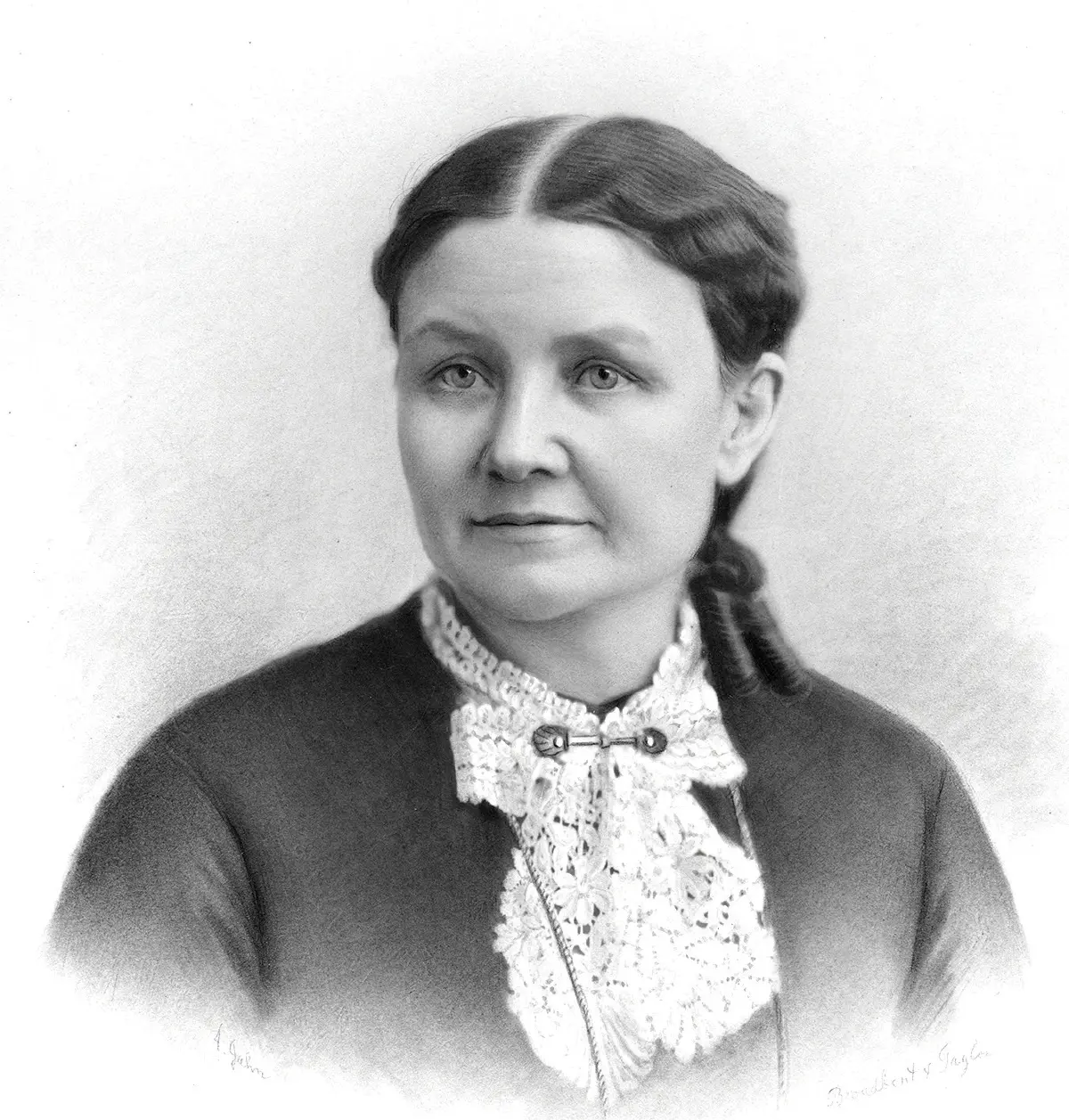
Black and white medium close-up (head and shoulders) of Caroline “Carrie” Burnham Kilgore.
Friends Historical Library of Swarthmore College
Caroline “Carrie” Burnham Kilgore was honored with a historical marker in Swarthmore in 2024. The dedication ceremony for the marker, located at 1301 Baltimore Pike, was attended by Professor Emerita of History and Pennsylvania Historical & Museum Commissioner Allison Dorsey.

A fierce advocate of women’s rights

Swarthmore, Pa., HAS no lack of famous female historical figures. From Lucretia Mott, a founder of Swarthmore College and organizer of the Seneca Falls Convention of 1848, to Alice Paul, Class of 1905, the leader of the National Women’s Party and advocate for the ratification of the 19th Amendment, the archives of the Friends Historical Library are brimming with correspondence between the greats.

However, the collections are also home to lesser-known women — although their names have largely been forgotten, their contributions to gender equity remain just as poignant today.

Caroline “Carrie” Burnham Kilgore (1838-1909), who would spend her last years living near Swarthmore, was one such woman. Born in Craftsbury, Vt., Kilgore had an extensive career as an educator before moving to the Philadelphia area and setting her sights on the legal profession. Although she was rejected from the University of Pennsylvania Law School upon applying in 1871, Kilgore would spend the next 10 years lobbying for the right to attend lectures, becoming the first woman to be admitted to the law school in 1881.

It was during this time that she married Damon Kilgore, who became one of her most ardent supporters. Their two daughters would later attend the College. Kilgore’s and Damon’s marriage contract, in which Kilgore asserts her rights and autonomy as a “feme sole,” can be found in the Friends Historical Library, along with drafts of Kilgore’s autobiography about her legal career. Outlining her many accomplishments after graduating from the University of Pennsylvania Law School in 1883, Kilgore would go on to become the first woman accepted to the Pennsylvania Bar Association, working her way up from a legal advocate in the Orphan’s Court of Philadelphia and becoming one of the first women to argue before the Supreme Court in 1890.

For her impressive legal career and role as a fierce advocate of women’s rights, acting as vice president of the National Woman Suffrage Association, and appealing to the Pennsylvania Supreme Court for a woman’s right to vote, Kilgore was honored with a historical marker in October. It is located at 1301 Baltimore Pike, Springfield, Pa., bordering the town of Swarthmore.

— CATHERINE SOSTOWSKI HERBES ’27