
common good

more than music at this vibrant summer Camp
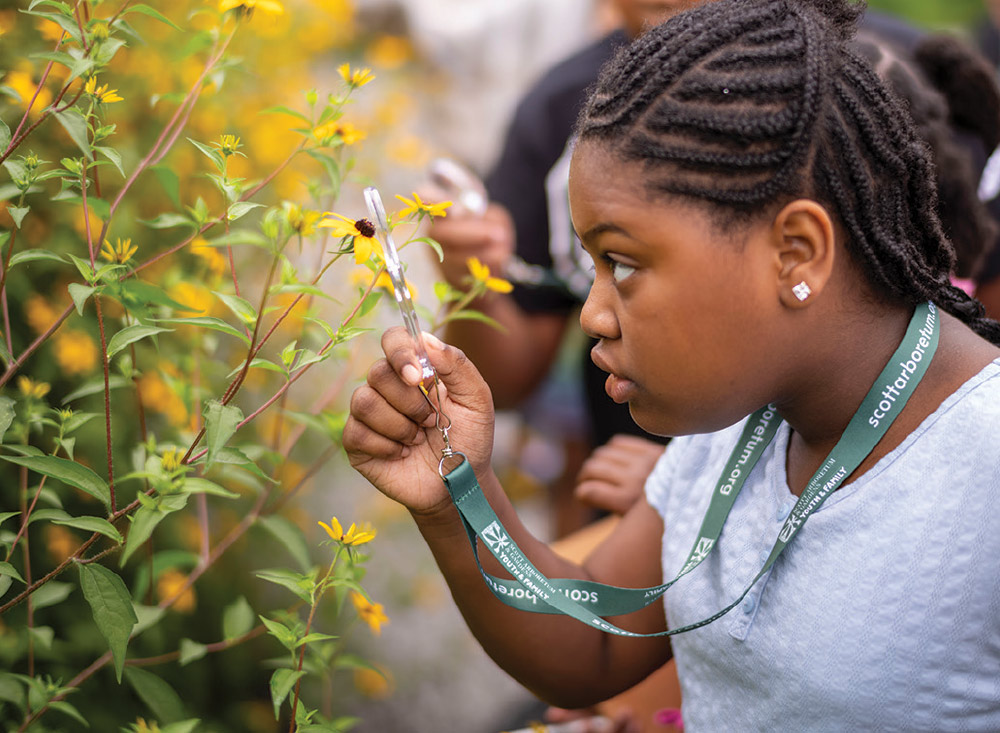
In addition to learning music and math, the children are immersed in reading, swimming, art, science, photography (led by Senior Media Center Manager Jeremy Polk), and cooking, held in the new Sharples Test Kitchen. Children move throughout campus working alongside College faculty, staff, and students via the Scott Arboretum class, the John Wehmiller Creative Photography Program, and the Liz Vallen Science for Kids Program, honoring the late Swarthmore biology professor who led the program for decades. The SLP is offered at no cost to CCC families and includes meals, round-trip transportation, and field trips. Ending on a high note, the program culminates with summer concerts and photography, art, and science exhibits.
— CHRISTINA MEEHAN
NIH Grant Advances Ethical Toxicology Research
— CARA ANDERSON
A Life Devoted to Science: David Baltimore ’60, H’76
obel laureate David Baltimore ’60, H ’76, a towering and influential figure in the field of microbiology and an advocate of liberal arts education, died Saturday, Sept. 6, after a long illness. He was 87.
After earning a B.A. with High Honors in chemistry, Baltimore received a Ph.D. from Rockefeller University, where his thesis on establishing ways to study viruses in animal cells was considered a major breakthrough. He later served as president at Rockefeller as well as the California Institute of Technology.
Baltimore shared the 1975 Nobel Prize in Physiology or Medicine with Howard Temin, Class of 1955, and their colleague and former teacher, virologist Renato Dulbecco, for their discoveries concerning the interaction between tumor viruses and the genetic material of the cell.
Temin’s hypothesis — that the RNA of RNA viruses could modify the host cell’s DNA, changing its encoded genetic information — was not generally accepted until he and Baltimore demonstrated reverse transcriptase, the enzyme that mediates the reaction. In Temin’s case, the tumor viruses were Rous sarcoma viruses causing tumors in chickens. Baltimore used viruses causing tumors in mice. They had actually met years earlier when Baltimore was in high school and they both spent a summer at Jackson Laboratory in Maine. In 1970, they simultaneously published their results in the journal Nature.
As Baltimore once described the Nobel experience in the Bulletin, it was “like being in a Fellini movie — as one of the characters!”
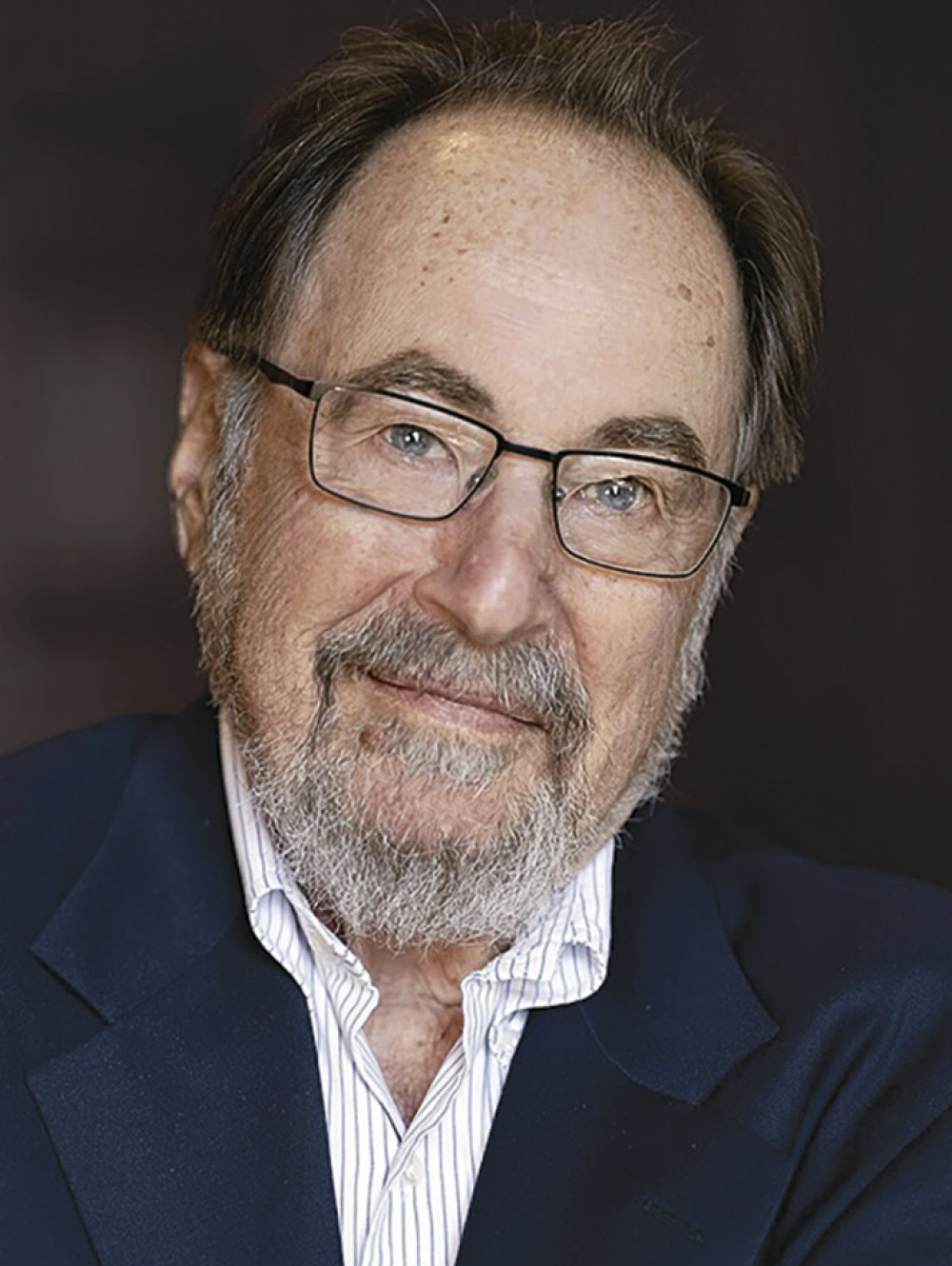
Baltimore, who served as vice chair of the Board of Managers from 1986 to 1989, returned frequently to speak on campus, especially to discuss why scientists need a liberal arts education. When addressing the Class of 1976 at their Commencement, he said: “In spite of the great satisfaction in science and the frustration of attempting to affect social attitudes, I still believe that a complete life requires both activities. It is the essence of a liberal arts education to instill beliefs in both right and truth.”
In 2007, the David Baltimore/Broad Foundation Endowment was established by a grant from the Broad Foundation at his request. The fellowship is awarded to a Swarthmore student doing summer research in the natural sciences or engineering, with a preference given to a student engaging in mentored off-campus laboratory research — experiences he enjoyed himself and credited with fueling his own passion for a life devoted to science.
“David continued to be impressed by the research carried out by Swarthmore students and faculty and by the lifelong relationships that students and their mentors maintained,” says Isaac H. Clothier Jr. Professor Emerita of Biology Amy Cheng Vollmer, who had many interactions with him and his wife, Alice Huang, over the years. After his death, Vollmer says she was contacted by at least two dozen alumni who had met him on campus at the Science Center’s 2005 dedication. “Many remembered that he took the time to ask about their research projects,” she says, “and encouraged them to continue in research after they graduated.”
Reflecting once on his time at the College, Baltimore said: “I guess the thing I’ll always remember best about Swarthmore is the marvelous time we all had, while we were getting a handle on the things we were going to do in life.”
— ALISA GIARDINELLI





Alumni Weekend
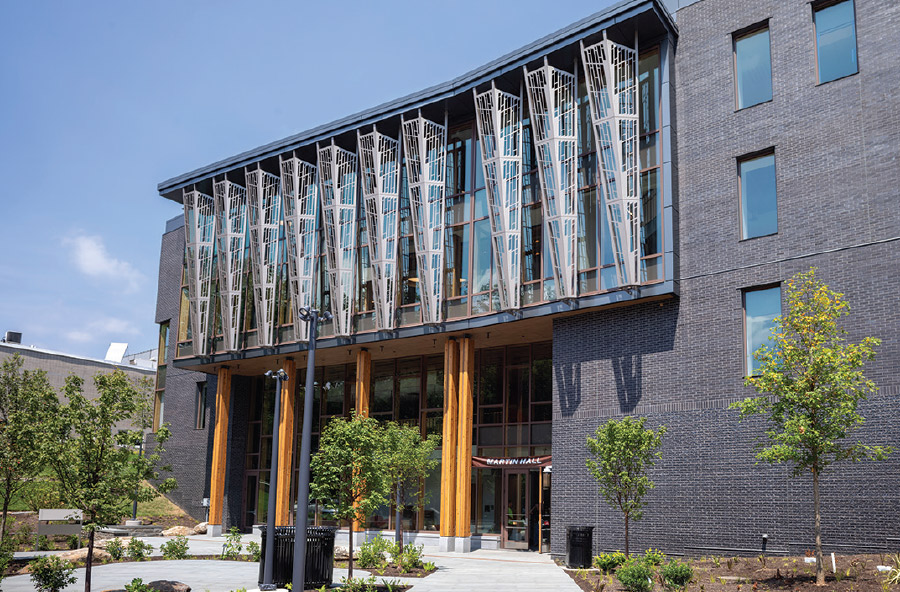
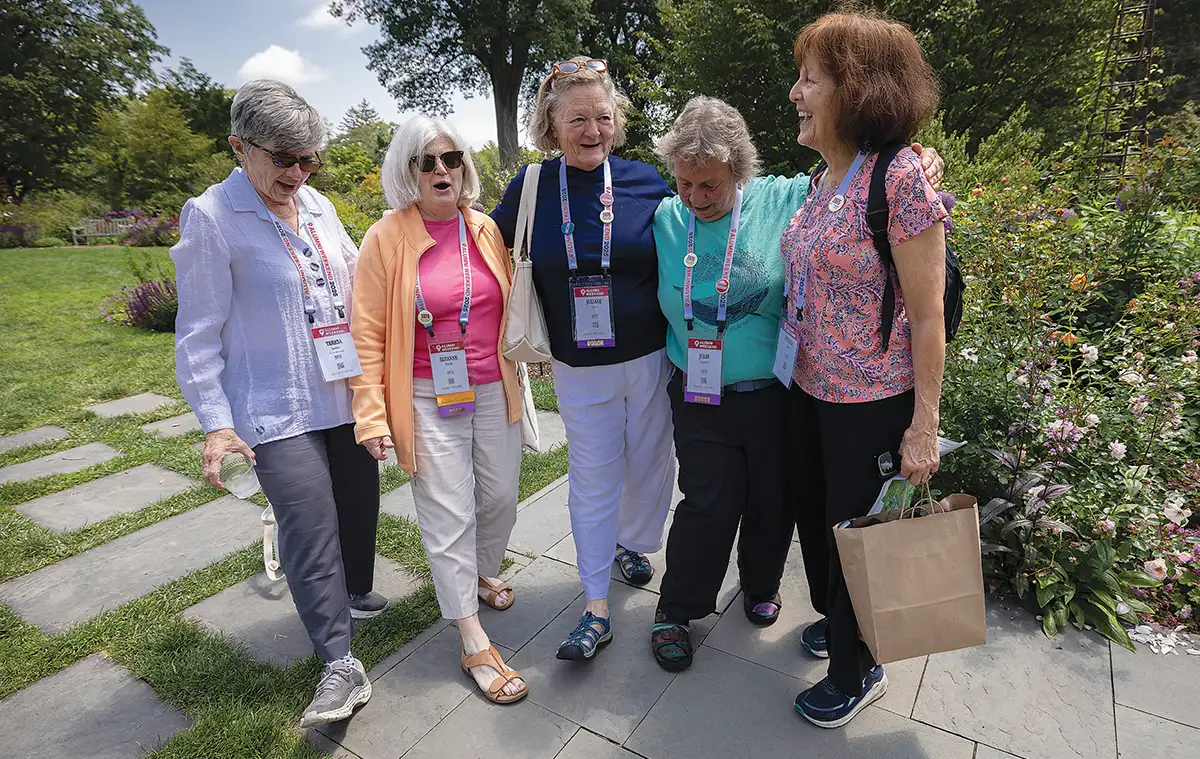
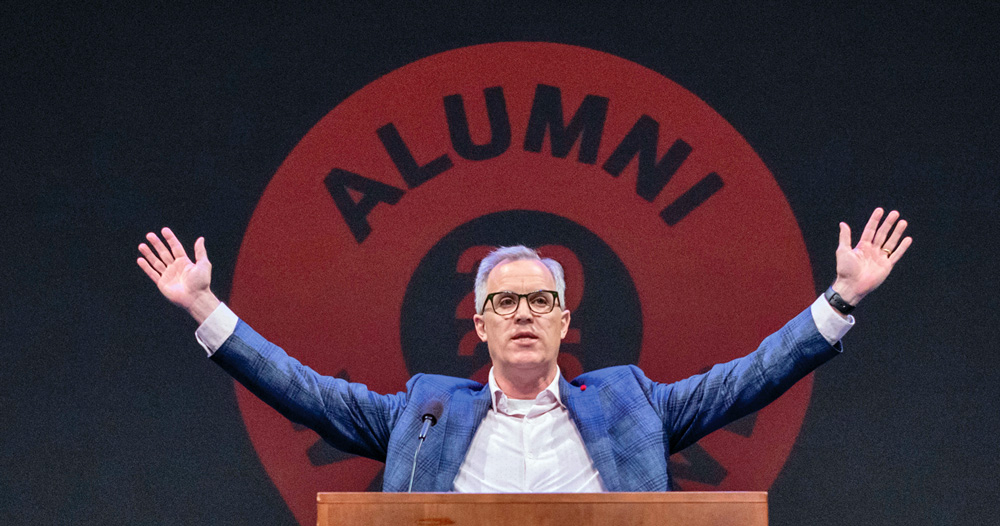
The reunion theme, “You Are Here,” asked attendees to ponder how their individual Swarthmore stories and experiences remain a foundational part of the College, even as the campus experiences significant changes, including the opening of Sharples Commons, the renovation of Martin Hall, and the ambitious projects of To Zero by Thirty-Five. More than 1,300 attendees from the Classes of 1955 through 2025 took part in the festivities, including the ever popular and festive Parade of Classes.
For many, this year’s Alumni Weekend was a meaningful opportunity to make up for lost time, including, for the Class of 2020, to reunite for the first time since the onset of the COVID-19 pandemic in March 2020. We are grateful to this year’s reunion committee members, whose tireless dedication, creativity, and care made it possible for classmates to reconnect in meaningful, joyful, and inclusive ways and helped make Alumni Weekend a resounding success for all. Photos by Laurence Kesterson and Robert O. Williams



Look Closely. See the World.
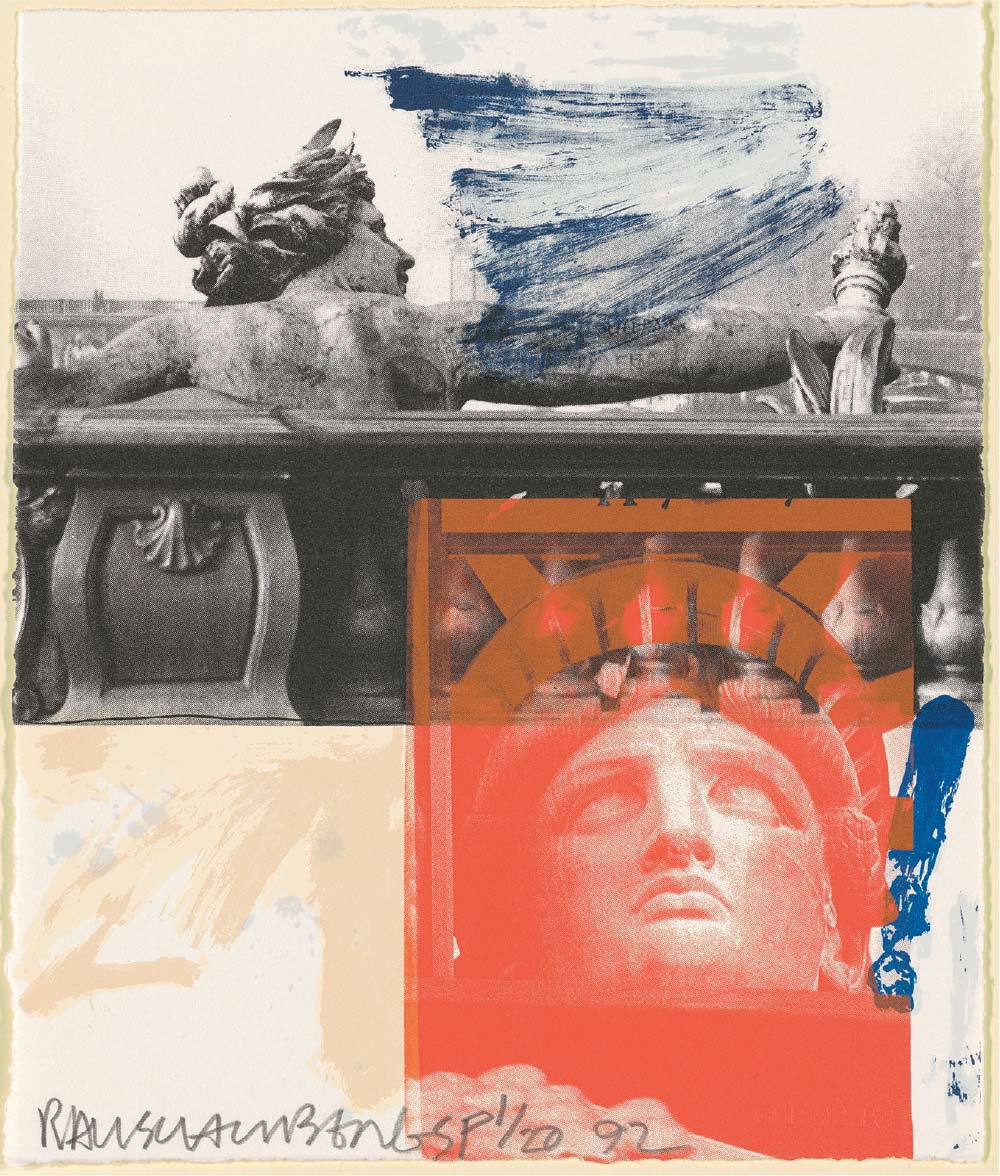
Robert Rauschenberg, “For Ferraro” a 1992 screenprint on paper.
Each week, eva Allan ’00 writes a newsletter called The Vivid Eye. “I look closely at an artwork to investigate what makes it fascinating, whimsical, beautiful, interesting — in short, what makes it tick,” says Allan.
She started The Vivid Eye to teach art history to a broad audience, while hoping to provide an antidote to the fast pace of online life.
“As I was getting more enraged about national politics, I wondered if writing about artwork was overly self-indulgent in the face of mounting injustices,” says Allan. “After some contemplation, I decided to write about this unusually small Rauschenberg silkscreen, “For Ferraro” 1992, with its clear symbolisms and colors of America,” she says.
“I knew Rauschenberg had been an artist involved in political protest, and imagined with new clarity his frustration at the Vietnam War or the cuts to the NEA,” Allan says. “His work became the backdrop as I wrote two equal yet opposite arguments for continuing to look carefully and passionately at artwork during politically troubling, exasperating, and endangering times.”
Her suggestions? “First, looking at art can be a stepping away, a moment of needed rest from the herky-jerky quality of the news,” she says.
Second, the opposite is true: “Close looking at art can prepare us to step closer, to engage more thoughtfully with the onslaught of troubled politics, especially when it seems all over the place,” says Allan. “A sustained look at a detail in an artwork can train our minds to focus. Noticing new details, we might begin to wonder if there is something in our long-held biases that needs revising. We might find renewed energy for the most important ways to engage as citizens in our own corners of the world.”
Mosquito Wars
osquito-borne illnesses kill close to a million people every year, and infect close to 10% of the world’s population, according to the World Mosquito Program. With global warming and the severe weather that comes with it on the rise, the geographic reach of mosquito-borne infections is increasing.
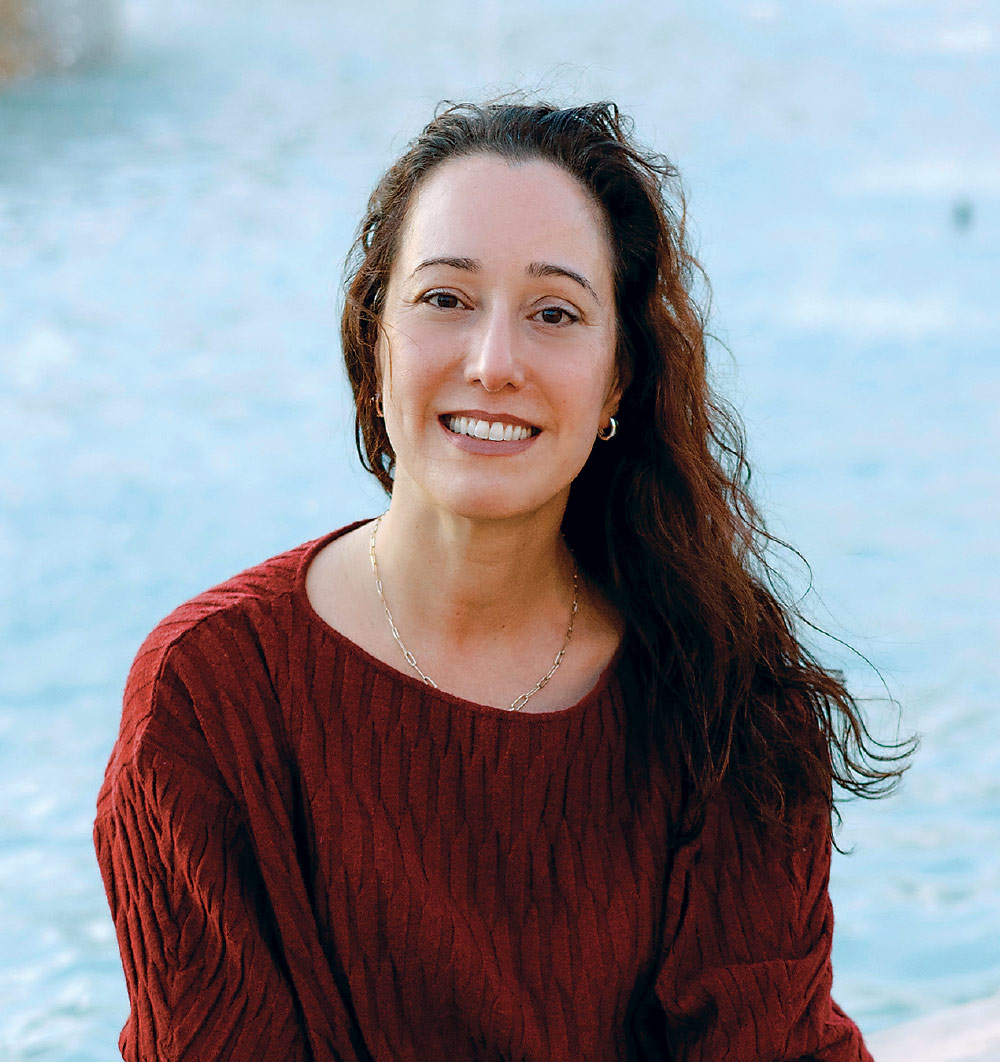
Irene Newton ’02 is studying a remarkable bacterium that is helping to control the spread of severe mosquito-borne diseases such as malaria and dengue fever.
Newton is a professor of biology at Indiana University and leads a team of researchers that study the symbiotic relationships between organisms, one of which is the bacterium Wolbachia (pronounced wool-BOCK-eeya) present in about half the insect species worldwide.
“They saw a pretty precipitous drop in dengue occurrence, and have since deployed this kind of approach in what they term ‘mosquito factories’ all over the world to reduce the spread of diseases,” says Newton. The Wolbachia approach is so effective because mosquitoes that have the infection essentially replace the mosquitoes that don’t. “Wolbachia encodes its own mechanisms to spread,” Newton says. “The sperm of infected males basically sterilized these uninfected females, so the infected females have an advantage.”
In every generation, the proportion of infected females rises. Over time, you get 80% to 90% of mosquitoes in an area that will have Wolbachia, and that’s what contributes to the drop in infectious disease.”
One of Newton’s projects is to better understand the means by which a bacterium destroys or disables viruses. “We’re using it as a tool, but we don’t know exactly how Wolbachia is doing this, so we study how Wolbachia modifies the host-cell environment to impinge upon virus replication,” Newton says. “Another part of the lab studies the basic biology of Wolbachia, working to understand how it infects, replicates, and how it’s able to be transmitted. The more we know about these aspects of Wolbachia, the better we can use it to protect people.” Newton’s focus on the scientific fundamentals is a critical part of her research, and one that she says lead to outsized benefits to the public. “I can think of many basic research projects that led to completely new industries,” she says.
A music major when she started at Swarthmore, Newton switched to biology after taking a class with Rachel Merz, now the Walter Kemp Professor Emerita of Natural Science. “I had remembered high school biology as a class about memorization,” Newton recalls. “She opened up the world of science to me, and had a way of explaining things that were beautiful to her in the natural world that was eye-opening and exciting.”
Welcoming Swarthmore’s New Board of Managers Chair
The Swarthmore College Board of Managers has appointed Gustavo “Gus” Schwed ’84 as its next chair. As part of the leadership transition, Schwed will serve as vice chair for the coming academic year before stepping into the role of chair on July 1, 2026. Harold “Koof” Kalkstein ’78 will continue as chair until the end of the 2025–26 academic year. Kalkstein, who has served as a Manager since 2008, will remain on the Board after concluding his term as chair.

Gus Schwed ’84
Schwed is a professor of management practice at New York University’s Stern School of Business, where he received the school’s distinguished teaching award and has twice been named professor of the year. He also is a visiting professor at Princeton University. Before entering academia, Schwed was a managing director at Providence Equity Partners and Morgan Stanley and served on numerous corporate and nonprofit boards including Oliver Scholars, a nonprofit that supports high-achieving, underserved students in New York City.
A longtime volunteer leader and dedicated alumnus, Schwed served on the Board from 2010 to 2022 and returned in 2024. As a student at Swarthmore, he majored in economics and graduated with high honors before earning an MBA from Stanford University.
Swarthmore also welcomes three new members to its Board: Michael Costonis ’92, Jyothi Das ’92, and Jim Sailer ’90. Together, they bring decades of leadership experience across the private, nonprofit, and global development sectors, along with a deep commitment to the values that have long defined a Swarthmore education.
Scott Arboretum & Gardens Rebecca Robert
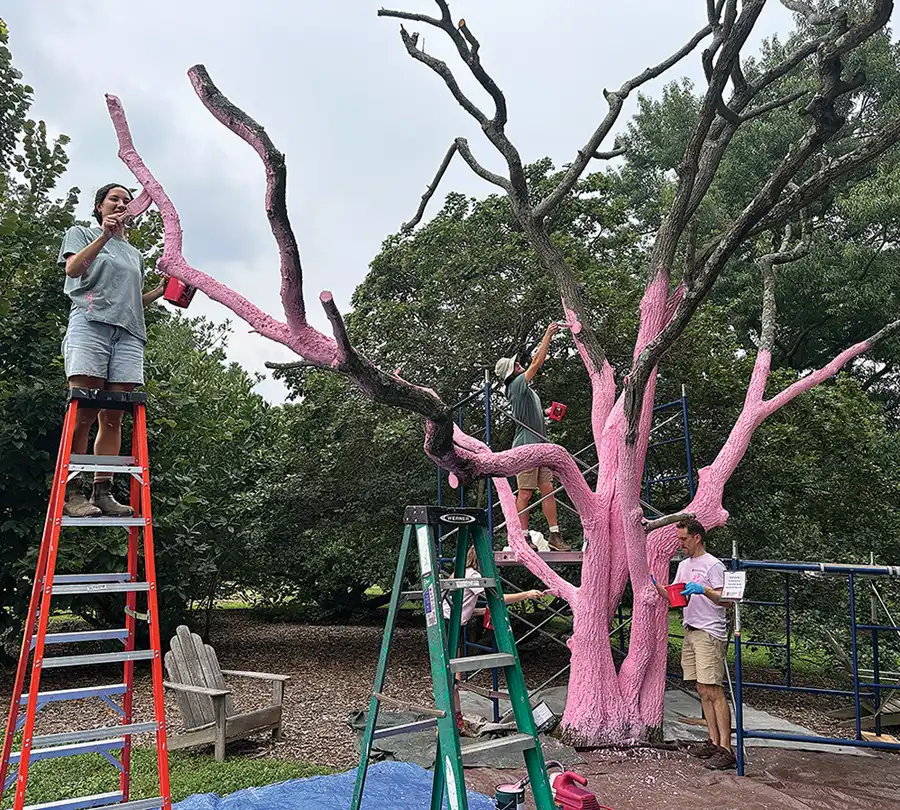
In the pink: Scott Arboretum & Gardens created its latest ephemeral environmental art piece, Little Princess, in August. Horticulturist Josh Coceano and Arboretum interns painted a lifeless tree an efflorescent pink to encourage reflection on the fragility of trees and to inspire people to notice the landscape, rather than take it for granted. This Chionanthus retusus (Chinese fringe tree) was an older specimen that had been in decline and was ultimately lost earlier this summer. It is the fourth tree that Scott Arboretum & Gardens has transformed in this way, using striking color to draw the community’s attention to the ever-changing landscapes in a beautiful and meaningful way. The bold pink gives new “life” to the dead tree, honoring its presence and history while prompting reflection on impermanence and renewal.
Opening Doors for First in Family to Attend College
The Swarthmore Summer Scholars Program (S3P), which affirms the College’s commitment to providing resources and support to all students, recently earned an Inspiring Programs in STEM Award. Insight Into Academia bestowed the award in recognition of Swarthmore “demonstrating an outstanding commitment to inclusive excellence and belonging” in its science, technology, engineering, and math (STEM) fields.
“This award reflects the exceptional efforts that my predecessors, Professor Emerita Allison Dorsey and Professor Emerita Amy Vollmer, made to build the S3P foundation,” says Ben Geller ’01, associate professor of physics and director of the S3P program, “as well as the strides we’ve made over the past several years to expand faculty participation in S3P and provide year-round community support for students and mentors.”
Prize Writer

Ursula Whitcher ’03 is on the shortlist for the 2025 Ursula K. Le Guin Prize for Fiction for her book North Continent Ribbon. The $25,000 Le Guin Prize is given annually to the author of a book that reflects the concepts and ideas that were central to Le Guin’s own work: hope, equity, and freedom; non-violence and alternatives to conflict; and a holistic view of humanity’s place in the natural world. “I grew up reading and re-reading Le Guin,” says Whitcher. “I’m always discovering new layers in her work. It’s a tremendous honor to be placed in this literary company.”
The recipient of the 2025 prize will be chosen by authors Matt Bell, Indra Das, Kelly Link, Sequoia Nagamatsu, and Rebecca Roanhorse. The winner will be announced Oct. 21, Le Guin’s birthday.
Rebecca Sharpless ’90 honored with Eugene M. Lang ’38, H’81 Impact Award
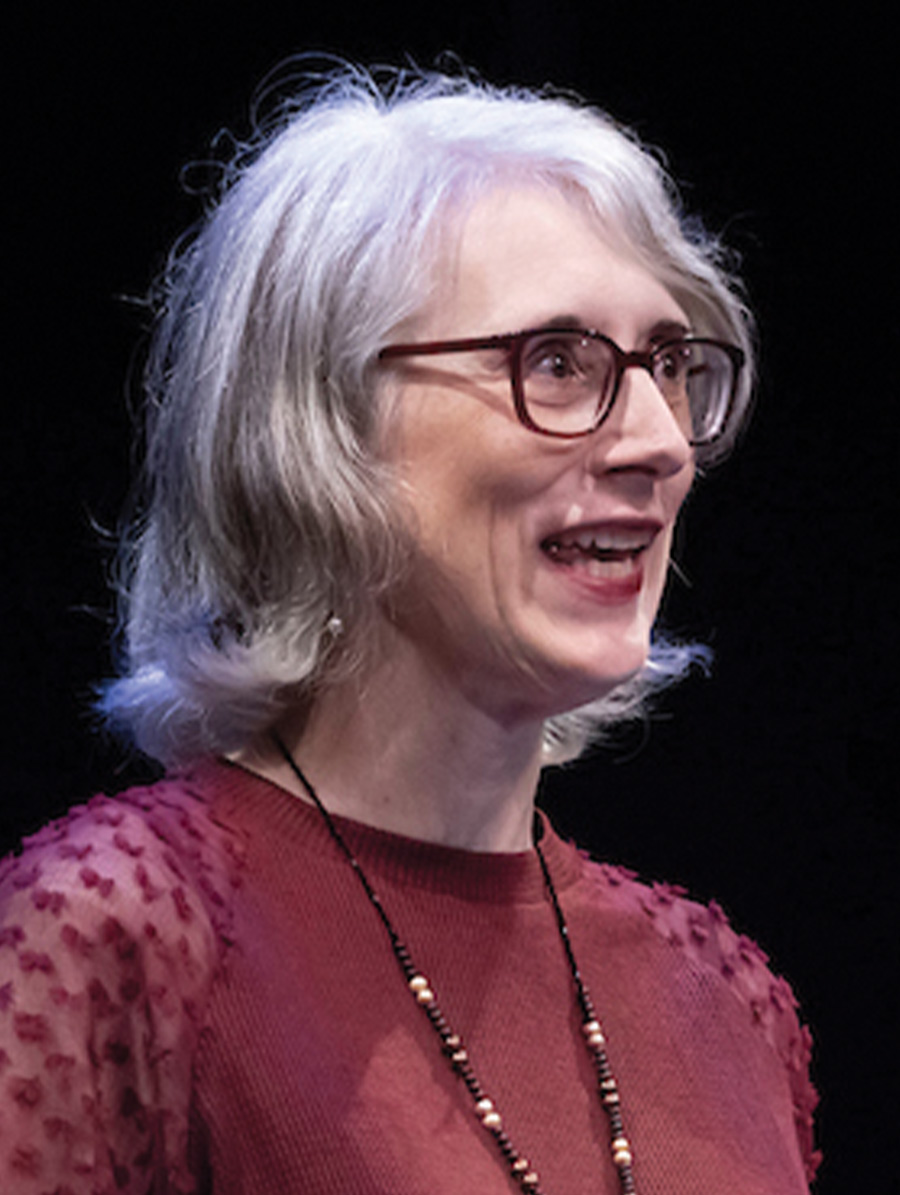
Rebecca Sharpless ’90
From 1996 to 2007, Sharpless was a supervising attorney at Florida Immigrant Advocacy Center, where she engaged in litigation on behalf of low-income immigrants as lead counsel in cases before the United States Courts of Appeals and United States District Courts as well as in immigration court and before the Board of Immigration Appeals. Of particular interest to the nominating committee was her 2024 book, Shackled: 92 Refugees Imprisoned on ICE Air, which examines U.S. immigration enforcement system through the stories of two men from Somalia who were on a botched deportation flight. The book has been honored as a Foreword Indies Finalist in two categories and as a Readers’ Choice Book Award Finalist. It also won a bronze Independent Publisher Book Award in the category of current events: political/economic/foreign affairs.
Sharpless graduated from Swarthmore with high honors with a degree in philosophy.
More award winners: bit.ly/SwatALUMNI

New Post at Penn
Among his many contributions, Dingfield led the launch of the Quaker Commitment, an initiative that enhances Penn’s financial aid program by further supporting middle-income students and families. As executive vice president, Dingfield will oversee Penn’s business and administrative operations, including finance, investments, human resources, information technology, facilities and real estate services, audit, and public safety.
A First Step in Teaching